
Why Your Hair Is So Staticky: 8 Essential Tips for Dry Hair
Static hair is annoying. It sticks up at the worst moments. When hair turns this way, it can impact your entire look. To fix it, you must know its root cause. Staticky hair stems from dryness. Moisture loss can happen due to varied reasons. For example, the weather turning really cold can make hair static. If you use heat tools on your hair a lot, they can become dry.
The great news is, it’s easy to tame static hair.
The Science of Static Electricity in Hair
Static hair happens because of tiny electrical charges. Atoms make up your strands. Atoms contain protons and electrons. In usual cases, charges of both are balanced. What disturbs them is dryness. Dryness takes away the electrons from your hair. Consequently, the hair is now positively charged. Strands repel from one another. So, hair becomes static.
Humidity in the air is another factor. Humid air is moist. It has molecules of water. These balance the charge. This allows electrons to move as they intend to. But in a dry climate, the air is not moist. So, your hair cannot give off extra charge. So, staticky hair becomes a problem in cold months.
Friction is another culprit behind hair being static. It can be caused by even simple hair brushing. Each brushstroke moves electrons from to another stand. This causes imbalance. It creates staticky hair.
1. Hydrate Your Hair Daily
Hydration is not only for your skin. Your hair needs it, too. Its absence causes frizz.
Below are some steps to take.
- Use leave-in conditions. They boost moisture for a long time period as you don’t rinse them off.
- Use lightweight formulas so you can use them daily. Heavy products can make your hair look limp and weigh it down.
- Apply the leave in treatments after hair washing or styling.
A water based leave-in treatment can also work wonders to improve the appearance of staticky hair.
2. Switch to a Moisture-Rich Shampoo and Conditioner
Some shampoos strip hair of natural oils. This makes dryness and static worse.
Look for products that:
- Are labeled hydrating, smoothing, or for dry hair.
- Contain natural oils like argan or jojoba.
- Avoid sulfates or heavy alcohols that dry hair further.
A gentle, hydrating routine stops static before it starts.
3. Skip Plastic Brushes

Plastic brushes can create friction. Friction builds up static electricity and makes your hair have flyaways
Better options:
- Wood or metal combs. They glide over hair with less charge.
- Wide-tooth combs. They work best on wet hair. They detangle gently without pulling.
- Brush gently. This prevents breakage and split ends.
If you need to use heat to dry your hair, choose an ionic hair dryer. Ionic dryers release negative ions that neutralize static. They also dry hair faster while keeping it smooth. This simple swap makes a visible difference, especially in dry winter months.
4. Add Anti-Static Hair Accessories
Hair ties and clips matter more than most think. Synthetic materials make static worse.
Switch to:
- Silk scrunchies or hair ties instead of elastics.
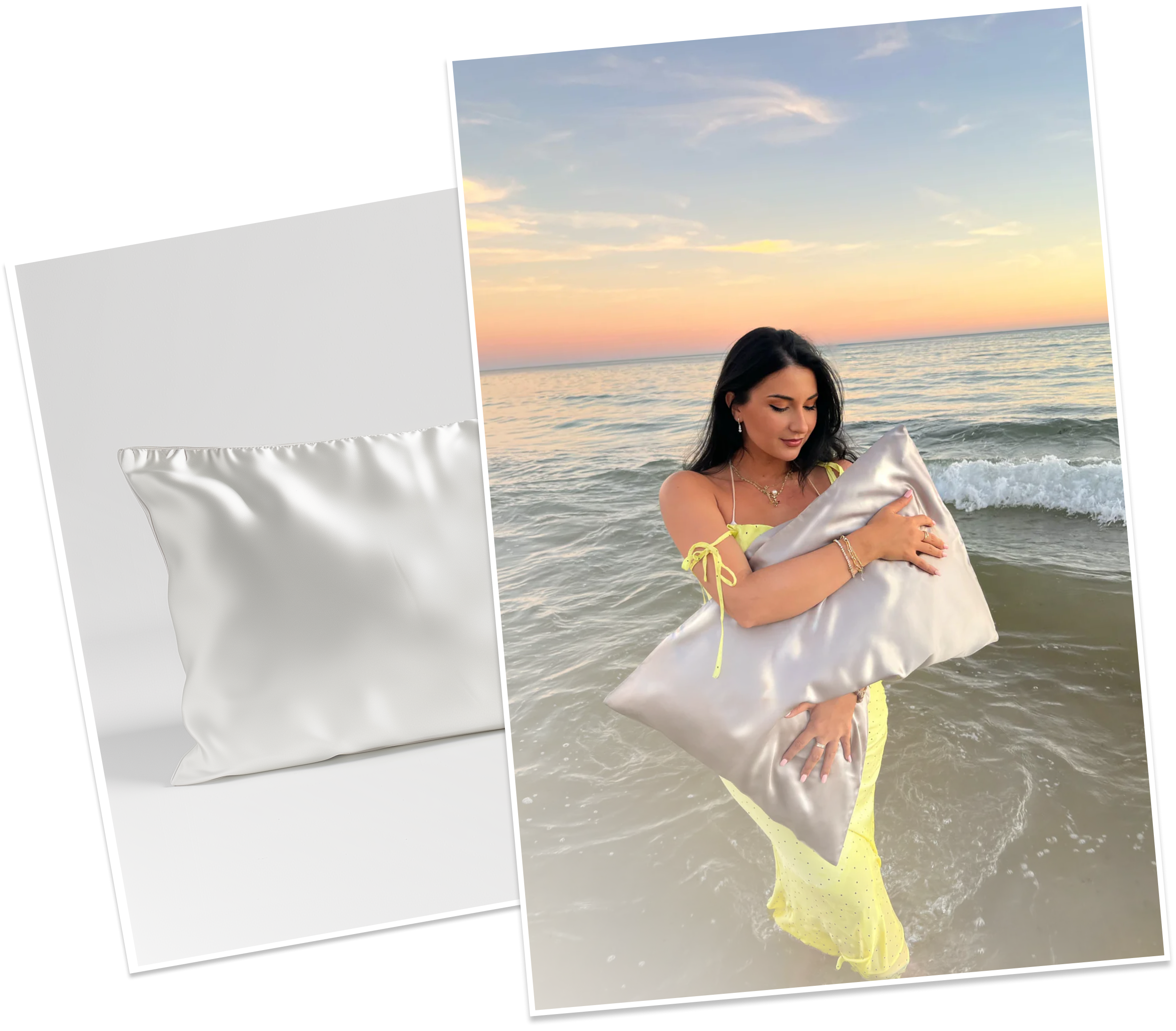
- Silk hair wraps or pillowcases to reduce friction.
Silk slides over hair, keeps it smooth, and prevents frizz overnight. This is perfect for mornings or long commutes.
5. Use a Humidifier Indoors
Dry indoor air makes static worse. Hair needs a little moisture in the air to stay calm. Experts say keeping indoor humidity between 40–60%. Static struggles to build up in this range.
Try these simple tricks:
|
Tip |
Why It Helps |
|
Keep a humidifier in your bedroom |
Adds moisture to the air, reducing static |
|
Spray water lightly on hair |
Quick fix if no humidifier is available |
|
Avoid heated, dry rooms |
Keeps hair naturally hydrated and smooth |
6. Minimize Heat Styling
Excessive heat dries hair. It strips natural oils and makes static worse.
Here’s how to protect your hair:
- Lower the temperature on flat irons, curling wands, and blow dryers.
- Always use a heat protectant before styling.
- Limit daily use. Try air-drying or protective hairstyles instead.
- Wash less often. Over-washing strips natural oils. This leaves hair dry and prone to static. Aim for 2–3 times per week.
- Use lukewarm water instead of hot water to avoid drying the hair shaft.
- Dry shampoo works well on off days to refresh hair without washing.
7. Check Your Fabrics
Synthetic materials like polyester, nylon, and wool create friction. This friction can make hair stand up and worsen static.
Simple swaps make a big difference:
- Wear cotton or silk close to your hair. Natural fabrics reduce static.
- Use silk scarves or collars to protect strands from friction.
- Swap your towel. Terry cloth towels can be rough and strip moisture. Use a microfiber towel instead to dry hair gently.
- Sleep on a silk pillowcase. It lowers morning frizz and keeps hair smooth.
8. Protect Your Hair Overnight with Silk

Friction is the hidden enemy of smooth hair. Cotton pillowcases rub against strands while you sleep. This friction pulls moisture out and creates static.
Silk behaves very differently. Its smooth surface lets hair glide instead of catching. Using 22 momme mulberry silk pillowcases or hair wraps reduces friction. They lock in moisture, and protect hairstyles.
The result? Hair stays soft, shiny, and easier to manage.
Quick Fixes for Static Hair
Sometimes static hair shows up at the worst moment. Here are a few simple tricks can calm flyaways instantly.
Dryer Sheet Trick
Lightly rub a dryer sheet over your hair. It neutralizes static quickly and leaves strands smooth.
Metal Comb
Swap your plastic comb for a metal one. It helps discharge extra electrons and reduces flyaways immediately.
Damp Hands
Run slightly damp fingers through your hair. The water balances the charge and tames frizz in seconds.
Touch of Hand Lotion
Apply a tiny dab of lotion to your palms and smooth over flyaways. Just a little goes a long way.
Light Hairspray on a Brush
Spray a brush lightly and glide it over your hair. This tames stubborn strands without making hair stiff or sticky.
Static vs. Frizz: What’s the Difference?
Static and frizz are not the same.
Static hair happens when hair is dry. Cold, dry winter air strips moisture from strands. Hair builds up electrical charge and sticks out in all directions.
Frizz is caused by excess humidity. Hot, sticky summer air makes the hair shaft swell. Strands lose shape and appear fuzzy or puffy.
For static, you need moisture, friction reduction, and humidity control. For frizz, you want smoothing products and anti-humidity styling.
Static hair can be frustrating. But it doesn’t have to control your day. Small swaps, hydration, and silk accessories make a huge difference. Imagine touching your hair in the morning with no flyaways. That small victory is worth celebrating.