
How to Sleep with Wet Hair Without Waking Up to Breakage and Frizz
Waking up with smoother hair starts before falling asleep. The right bedtime routine can protect wet strands from breakage and frizz as they dry overnight.
Going to bed with wet hair is not always harmful. The problem is how wet hair reacts to friction and movement during sleep. With the right habits, it is possible to wake up with healthier-looking hair instead of knots.
Regardless of your hair type, a few simple changes can make a noticeable difference. Understanding why wet hair becomes fragile is the first step.
What Makes Wet Hair More Likely to Get Damaged?
Freshly washed hair is at its weakest when wet. Each strand contains proteins that help it stay strong and flexible. Water temporarily changes some of the hydrogen bonds inside the hair. These bonds naturally break when hair gets wet. They reform as it dries.Here’s what makes wet hair so prone to damage..
Wet hair stretches more easily
Dry hair has good elasticity. Wet hair can stretch much farther before returning to its normal shape. If hair is pulled while wet, some strands stay overstretched. Others snap completely. This damage is often impossible to repair. That is why brushing wet hair roughly before bed can cause unnecessary breakage.
Friction roughens the hair cuticle
Every hair strand has a protective outer layer called the cuticle. Healthy cuticles lie flat. They reflect light and help hair feel smooth. During sleep, constant rubbing can lift these tiny cuticle layers. Once they lift, moisture escapes more easily. Hair starts feeling rough instead of silky.
Raised cuticles also make neighboring hairs catch on each other. That creates tangles and visible frizz.
Wet hair tangles faster
Water makes individual strands cling together. As hair shifts during sleep, these small groups twist into larger knots. Anyone with long, wavy, or curly hair usually notices this first. Morning detangling often becomes the hardest part of the routine. Pulling those knots apart can cause even more breakage.
Hair stays damp longer overnight
Many people go to bed with soaking wet hair. The problem is simple. Thick or long hair often cannot dry completely while sleeping. Moisture trapped inside tightly wrapped hair keeps strands swollen for longer. That extends the period when hair is most fragile. Starting with damp hair instead of dripping wet hair usually gives much better results.
Hair type changes the risk
Fine hair breaks more easily because each strand is thinner. Curly and coily hair naturally bends many times along each strand. Those bends create weak points. Here, breakage happens more easily.
Color-treated or chemically processed hair also has a more delicate cuticle. It needs extra care before bedtime.
The Best Way to Sleep With Wet Hair for Every Hair Type
Hair texture, thickness, and natural oil levels all affect how wet hair behaves while sleeping. The best results come from matching the routine to the hair type.
Curly Hair
Curly hair usually needs the most protection overnight. Start by gently squeezing out excess water with a soft cotton T-shirt. Hair should feel damp and not dripping. Apply a lightweight leave-in conditioner if curls need extra moisture. Focus on the mid-lengths and ends instead of the roots.
Next, gather the curls into a loose pineapple hairstyle on top of the head. This keeps curls from being flattened while sleeping. Avoid pulling the hair tightly. Too much tension can cause breakage around the hairline.
If the curls are still very wet, allow them to air dry for a while before going to bed.
Best for:
- Curly hair
- Coily hair
- 4A to 4C hair
- Long curls
Wavy Hair
Wavy hair often loses its natural pattern overnight. Some sections dry straight while others become frizzy. Sleeping the wrong way can leave waves uneven by morning.
Start with hair that is about 70 to 80 percent dry. Apply a small amount of lightweight styling cream. Avoid heavy products that weigh waves down. Loosely braid the hair before bed. A single braid usually works well for soft waves.
Keep the braid relaxed. Tight braids may leave unwanted bends instead of natural-looking waves. In the morning, undo the braid gently using your fingers instead of a brush.
Best for:
- Natural waves
- Fine wavy hair
- Medium-thick wavy hair
Straight Hair
Straight hair tangles more easily than many people expect. Because it lacks natural bends, strands slide over each other throughout the night. Wet straight hair can quickly develop knots from constant movement.
Start by removing as much water as possible without rubbing. Let the hair air dry until it feels slightly damp. Brush gently using a wide-tooth comb.
Gather the hair into a very loose low ponytail. Avoid tight elastics that leave dents or create tension. Many people sleep with hair completely loose. That leads to more tangles by morning, especially in long hair.
Best for:
- Fine straight hair
- Thick straight hair
- Long straight hair
Frizz-Prone Hair
Frizz-prone hair needs less friction. Every toss and turn during sleep lifts the hair cuticle slightly. Once the cuticle becomes rough, moisture escapes more easily. Hair looks puffier the next morning.
Begin by gently blotting away extra water. Apply a lightweight anti-frizz serum or leave-in conditioner to the mid-lengths and ends. Avoid products containing large amounts of alcohol because they may dry the hair.
Choose a loose protective hairstyle like a loose braid or low bun. Try not to touch the hair repeatedly before bed. The more hair is handled while wet, the more frizz often develops.
Best for:
- Dry hair
- Color-treated hair
- High-porosity hair
- Humidity-prone hair
The Right Way to Get Wet Hair Ready for Sleep
If you do have to go to bed in wet hair, follow this routine to minimize damage.
Step 1: Gently Remove Excess Water
Do not rub their hair with a towel. Unfortunately, that rough motion lifts the hair cuticle. It also creates knots and friction.
Instead, wrap your hair gently in a clean cotton T-shirt. Press lightly to absorb moisture. Then release. Repeat until the hair feels damp.
Avoid these habits
- Rubbing the towel back and forth.
- Twisting wet hair tightly.
- Leaving hair wrapped for a long time.
Step 2: Detangle While Hair Is Still Damp
Apply a lightweight leave-in conditioner or detangling spray. Then use a wide-tooth comb or a brush designed for wet hair. Always begin at the ends. Slowly work upward toward the roots.
Gentle detangling removes knots before they tighten overnight. It also reduces breakage during your morning routine.
Avoid
- Pulling through stubborn knots.
- Using a fine-tooth comb.
- Brushing aggressively from the scalp downward.
Step 3: Apply the Right Overnight Hair Products
Choose products based on your hair type.
|
Hair Type |
Best Product |
|
Fine hair |
Lightweight leave-in conditioner |
|
Straight hair |
Light smoothing serum |
|
Wavy hair |
Leave-in conditioner with light hold |
|
Curly hair |
Curl cream or moisturizing leave-in |
|
Coily hair |
Rich leave-in cream with lightweight sealing oil |
Focus on the middle and end parts of your hair strand. Those parts are the ones that get damaged quickly. All your heavy products should be applied to these sections and not on the scalp.
Step 4: Create a Loose Protective Hairstyle
Loose hair rubs against the pillow throughout the night. That constant movement creates knots and frizz. A simple protective hairstyle keeps strands together while still allowing airflow.
Choose one that suits your hair type.
|
Hair Type |
Best Protective Style |
|
Straight |
Loose low braid |
|
Wavy |
Two loose braids |
|
Curly |
Pineapple hairstyle |
|
Coily |
Loose twists or chunky braids |
|
Thick hair |
Loose low bun |
Keep every hairstyle loose. Tight styles create tension around the scalp. They can also leave dents and increase breakage.
A silk scrunchie is the best choice for securing hair. Its smooth surface reduces pulling and leaves fewer creases than standard elastic bands.
Step 5: Sleep on a Silk Pillowcase

Hair still slides across the pillow each time you change position. That is why the pillowcase matters.
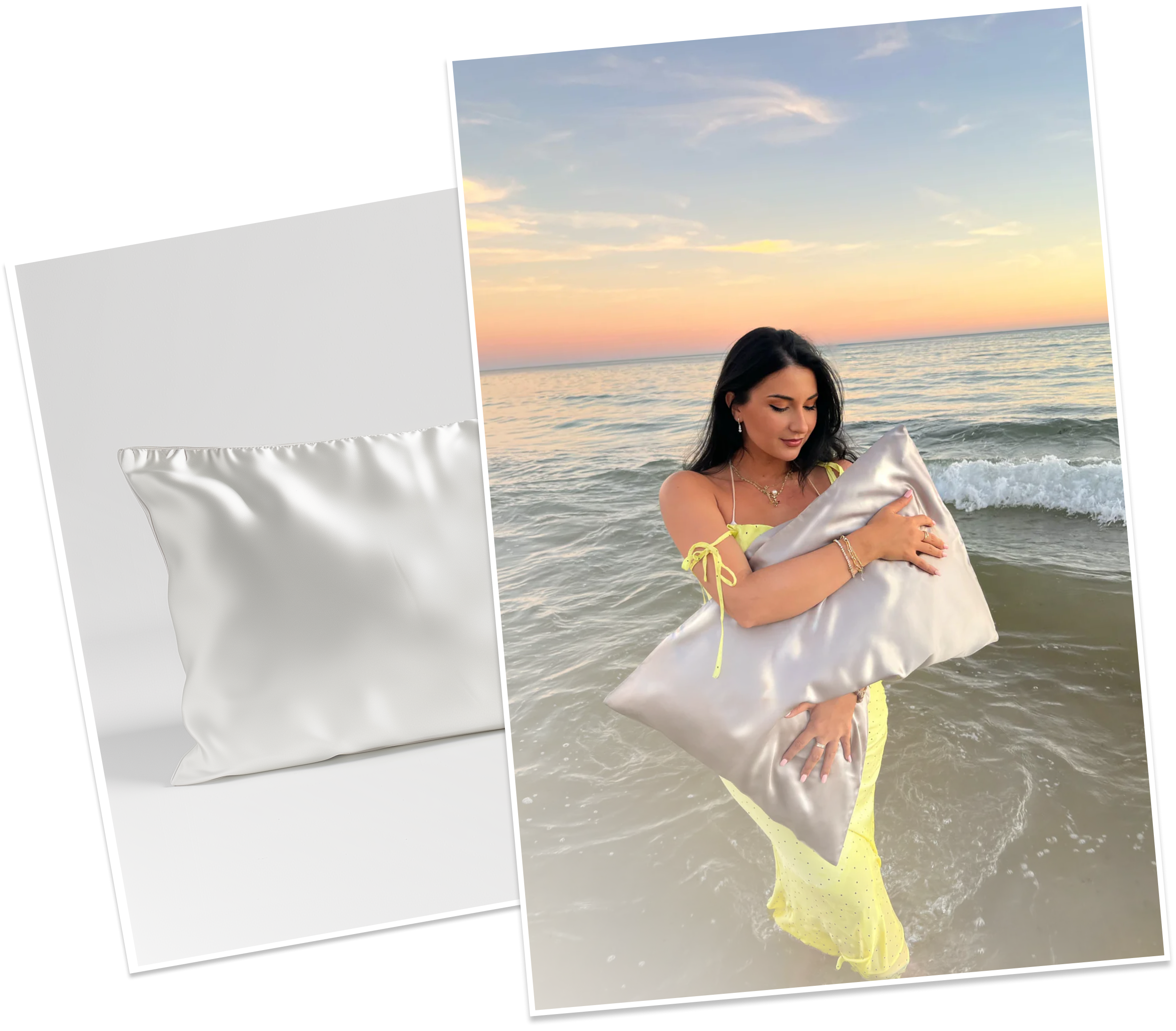
A silk pillowcase has a naturally smooth surface. It allows hair to glide instead of catching on the fabric. Less friction means fewer tangles and reduced frizz. It also lowers the stress on fragile wet strands.
Step 6: Let Hair Finish Drying Naturally Overnight
Once your hair is protected, leave it alone. Avoid removing your braid or bun halfway through the night. Constantly changing hairstyles creates unnecessary stress on damp strands.
By morning, your hair should be dry or nearly dry. Remove your hairstyle gently. Then separate the hair with your fingers before reaching for a brush.
If a few areas still feel damp, let them air-dry completely before using heated styling tools.
Wake Up to Better Hair, One Night at a Time
Healthy hair does not depend on expensive products. It comes from small habits repeated every night. Sleeping with wet hair does not have to mean waking up with frizz, or broken strands.
The biggest difference comes from protecting hair while it is most fragile. Remove excess water gently. Use products that match your hair type. Choose a loose protective hairstyle. Then finish your routine with a smooth silk pillowcase that helps reduce friction while you sleep.
Tomorrow morning starts with tonight's routine. Is your hair set up for a good night's sleep?
FAQs
How should I put my wet hair when I sleep?
Let your hair become damp first. Then place it in a loose braid, loose bun, or pineapple style. Use a silk scrunchie and sleep on a silk pillowcase to reduce friction and frizz.
Can you sleep when your hair is wet?
Yes, but damp hair is much better than soaking wet hair. Wet hair is weaker and breaks more easily. Prepare it properly before bed to help prevent tangles, frizz, and damage.
What to do with wet hair overnight?
Gently remove excess water with a microfiber towel or cotton T-shirt. Apply a leave-in conditioner if needed. Create a loose protective hairstyle and sleep on a silk pillowcase for smoother hair.