
How to Prevent Hair Breakage: 7 Things You're Probably Still Getting Wrong
Hair breakage is not always caused by damaged hair. It actually comes from small daily habits that slowly weaken each strand.
Finding broken hairs on a brush or pillow can feel frustrating. Many people think their hair has stopped growing. But the hair may be growing just fine. It is simply breaking before it reaches its full length.
What’s good is that most hair breakage can be prevented. Once you know the causes, you can easily protect your hair every day.
Understanding Hair Breakage: What It Is and What It Looks Like
Hair breakage happens when a strand snaps somewhere along its length. It is not the same as normal hair shedding. The hair does not fall out from the root. What really happens is that the strand breaks. This is because the hair loses its strength to handle everyday stress.
Hair Breakage vs. Hair Shedding
Hair shedding is part of the normal hair growth cycle. Most people naturally shed between 50 and 100 hairs each day. These hairs usually have a small white bulb at one end. That bulb shows the hair completed its natural growth cycle.
Broken hairs look different. They are usually shorter than the rest of the hair. They also do not have the white bulb at the end. This is because they snapped instead of falling out naturally.
|
Hair Shedding |
Hair Breakage |
|
Falls from the root |
Snaps along the strand |
|
Has a white bulb |
No white bulb |
|
Normal part of hair growth |
Usually caused by damage |
|
Hair stays full over time |
Hair may look thinner or uneven |
Common Signs of Hair Breakage
Below are the early signs of hair breakage.
Short hairs sticking up
Small hairs around the crown or hairline pinpoint broken strands. Some may be healthy new growth. Others may have snapped from heat, or tight hairstyles. If these short hairs feel rough or uneven, breakage is more likely.
Split ends
Split ends happen when the protective outer layer of the hair wears away. Once the strand splits, the damage travels upward. It keeps doing so, until you trim your hair..
When the hair is filled with small split ends, the hair ends look thin and unhealthy.
Hair feels rough
Healthy hair feels smooth because its cuticle lies flat. Damaged hair has raised cuticles. That rough surface catches on nearby strands. This dries out the hair and tangles it up.
More tangles than usual
Hair that breaks easily knots faster. The rough surface creates friction between strands. Detangling then becomes harder. Pulling through those knots causes the hair to break even more.
Hair refuses to grow longer
Sometimes hair seems stuck at the same length for months. But it doesn’t mean that there is some problem with the growth of hair. It may be growing normally from the scalp. However, the ends keep breaking off at nearly the same rate as new growth. This creates the feeling that the hair has stopped growing.
Thinner-looking ends
Hair naturally tapers toward the ends. Excessive breakage makes this much more noticeable. It makes the bottom few inches appear wispy and uneven.
What Are the Main Causes of Hair Breakage?
Here are the most common causes of hair breakage.
Heat Styling Too Often
Flat irons, curling irons, and other tools remove moisture from the hair. When it hair becomes too dry, it loses elasticity. Instead of bending, it snaps.
Using hot tools occasionally is fine. But when high heat becomes part of the daily routine, it damages the hair.
Watch for these warning signs
- Dry ends
- Split ends
- Hair that feels stiff
- Increased breakage after styling
Always use the lowest temperature that works for your hair. Heat protectant products also help reduce damage.
Chemical Treatments
Coloring, chemical straightening, and other such treatments change the structure of the hair. Bleach lifts the cuticle to remove natural pigment. This weakens the strand.
Repeated chemical treatments increase the chance of breakage because hair becomes more porous. That means it loses moisture faster. It also dries out more easily.
Hair needs extra care after treatments
- Deep conditioning
- Less heat styling
- Gentle brushing
- Regular trims
Too Much Friction
Hair rubs against towels, clothing, and other things. Every movement creates tiny amounts of wear. Over months, this repeated rubbing roughens the cuticle. Eventually, strands weaken enough to break.
Wet Hair Is More Fragile
Hair stretches much more when wet. Water temporarily weakens the hydrogen bonds inside each strand. That makes wet hair easier to stretch. If stretched too far, it cannot always return to its original shape. Instead, it snaps.
Common mistakes include:
- Brushing soaking wet hair
- Sleeping with dripping wet hair
- Wrapping hair tightly in a towel
- Pulling wet hair into tight ponytails
Letting hair become damp before styling greatly reduces this risk.
Tight Hairstyles
High ponytails, sleek buns, tight braids, and heavy extensions place constant tension on the strands. The hairline usually suffers first. Over time, this weakens individual hairs. Eventually they begin breaking close to the scalp. Changing hairstyles regularly helps spread tension across different areas.
Rough Brushing and Detangling
Many people begin brushing from the roots. That pushes every knot into the lower sections. The best way is to start at the ends. Work upward slowly. This method removes tangles with much less force.
Hair also benefits from using the right tools. Wide-tooth combs work well on damp hair. Soft brushes help reduce unnecessary pulling.
Dry Hair
Moisture helps hair stay flexible. Dry hair loses that flexibility and becomes stiff. Stiff hair breaks much more easily. Dryness can happen due to:
- Cold weather
- Strong sunlight
- Heated indoor air
- Frequent shampooing
- Heat styling
- Chemical treatments
Poor Nutrition
Hair needs the following nutrients to grow:
- Protein
- Iron
- Zinc
- Biotin
A balanced diet supports healthy hair growth. Crash diets and rapid weight loss can also increase hair problems.
Hair changes often appear several months after major nutritional changes. If breakage appears suddenly without an obvious cause, it’s best to discuss it with a healthcare professional.
Environmental Damage
Strong sunlight exposes hair to ultraviolet rays. Salt water removes moisture. Chlorine dries the hair and may weaken chemically treated strands. Wind creates tangles that later require extra brushing. Combined over time, all these contribute to breakage.
Use these protective habits:
- Wearing a hat outdoors
- Rinsing hair after swimming
- Using moisturizing products
7 Things You're Doing That Are Causing Hair Breakage
Below are the common mistakes that might be ruining your hair.
1. Brushing Hair the Wrong Way
Many people brush harder when they find tangles. That makes the problem worse. Hair stretches when pulled. If the force becomes too much, the strand snaps.
Wet hair needs even more care. Water temporarily weakens the hair shaft. That means aggressive brushing can quickly lead to breakage.
How to Brush Correctly
Follow these simple steps.
- Remove large knots with your fingers first.
- Start brushing near the ends.
- Work upward a few inches at a time.
- Hold the hair above the knot while brushing.
- Never force the brush through stubborn tangles.
2. Sleeping on Cotton Every Night
During sleep, the head moves hundreds of times against the pillow. Every movement creates friction. Cotton is soft for bedding. Yet its fibers create more resistance than silk. Cotton also absorbs moisture from the hair.
Why It Causes Breakage
When hair rubs against cotton, several things happen at once.
- The cuticle becomes rougher.
- Moisture leaves the hair.
- Strands catch against the fabric.
- Knots form more easily.
A Simple Switch That Can Make a Difference

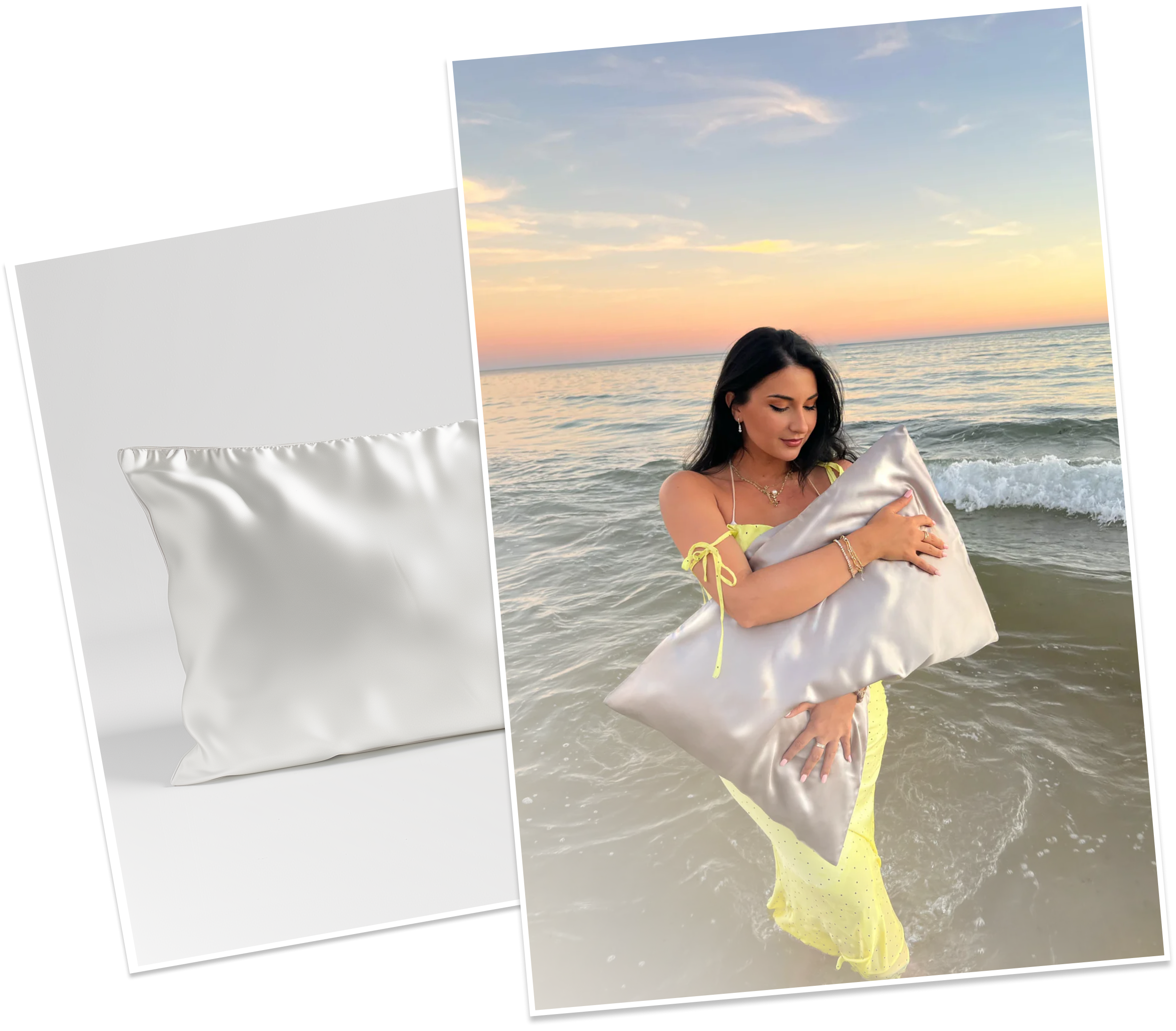
One easy way to reduce friction is to replace cotton with silk. A high-quality silk pillowcase creates a much smoother surface. Hair glides across it and does not catch on rough fibers. Silk also absorbs less moisture than cotton. That helps hair stay softer overnight.
Adding other silk hair accessories can provide even more protection. A silk turban or wrap helps keep hair in place while sleeping. This reduces rubbing and tangles throughout the night. A silk scrunchie also holds hair gently without pulling or leaving deep creases. Unlike traditional elastic ties, smooth silk creates less friction where the hair is secured.
3. Wearing Tight Hairstyles Too Often
A sleek ponytail looks polished. A tight bun feels practical. Problems begin when hair stays under constant tension. Hair follicles are designed to hold hair securely. They cannot withstand continuous pulling.
Hairstyles That Create the Most Stress
These styles often create the highest tension.
- Tight ponytails
- High buns
- Slick-back styles
- Tight braids
- Tight extensions
- Heavy ponytail extensions
The greatest pressure usually falls around the temples and hairline.
Better Alternatives
Hair does not need to be loose all day. Instead:
- Rotate hairstyles.
- Loosen ponytails.
- Move ponytail placement daily.
- Take breaks between protective styles.
4. Using Too Much Heat Without Protection
Heat styling changes hair temporarily. It reshapes the hydrogen bonds inside each strand. When the temperature is too high or you heat style often, the hair breaks easily.
Better Heat Habits
Try these instead.
- Air dry whenever possible.
- Use the lowest effective temperature.
- Let hair partially air dry first.
- Always apply heat protectant.
- Limit heat styling each week.
Giving hair regular heat-free days allows moisture levels to recover.
5. Washing Hair Too Often or Too Harshly
The scalp naturally produces sebum. This natural oil coats the hair shaft and helps reduce moisture loss. Frequent washing removes this protective layer.
Signs of Overwashing
Watch for these symptoms.
- Dry ends
- Itchy scalp
- Hair that feels squeaky clean
- Increased frizz
- Static
Hair should feel clean but not stripped.
Better Washing Habits
Choose shampoo based on scalp needs rather than a fixed schedule. Many people do well washing every few days instead of daily.
Always focus shampoo on the scalp. Let the lather gently clean the lengths while rinsing. Finish with conditioner on the mid-lengths and ends to replace moisture.
6. Skipping Regular Trims
Many people avoid trims while growing longer hair. But the damaged ends do not repair themselves. Without trimming, the split gradually travels upward. Instead of losing half an inch during a trim, much more length may eventually break away.
Signs It Is Time for a Trim
Watch for these changes.
- Split ends
- Rough tips
- White dots on strands
- Tangles near the ends
- Uneven thickness
How Often Should Hair Be Trimmed?
People using frequent heat styling usually need trims more often. Those with healthy, low-manipulation hair may wait longer.
7. Ignoring Daily Friction Throughout the Day
Small rubbing movements happen constantly. Hair brushes against clothing, scarves, hats, backpacks, and seat belts. Even hair ties can rub against strands for hours.
Everyday Habits That Increase Friction
Some common examples include:
- Wearing rough hoodies
- Resting hair against coarse sweaters
- Constantly touching the hair
- Twirling strands while thinking
- Using rough elastic bands
- Pulling hair through tight accessories
How to Reduce Friction
A few adjustments make a noticeable difference.
- Keep hair moisturized.
- Handle curls gently.
- Avoid unnecessary touching.
- Choose smooth hair accessories.
- Loosen hairstyles whenever possible.
Stronger Hair Starts With the Small Things
Healthy hair comes from small habits repeated every day. Each gentle choice helps protect the hair from unnecessary stress. Over time, those choices add up.
Hair breakage cannot always be prevented completely. Daily styling, weather, and chemical treatments all affect hair differently. Still, reducing damage is possible. The key is to remove as many causes of breakage as possible.
Healthy hair is not about chasing perfection. It is about protecting every strand a little better each day. Those small improvements become the reason that your hair feels softer, and breaks less over time.
FAQs
How do I stop my hair from breaking?
Reduce the things that damage your hair every day. Brush gently, avoid too much heat, and keep hair moisturized. Trim split ends regularly. Use gentle hair ties and protect your hair while sleeping with silk accessories. Small daily habits can greatly reduce breakage over time.
What is the biggest cause of hair breakage?
The biggest cause is repeated damage to the hair cuticle. Heat styling, chemical treatments, rough brushing, tight hairstyles, and friction from cotton bedding all weaken hair over time. Once the cuticle becomes damaged, strands lose strength and are much more likely to snap.
What oil prevents hair breakage?
No oil can completely prevent hair breakage, but some help reduce it. Coconut oil has the strongest evidence for reducing protein loss in hair. Argan and jojoba oils can also improve softness and reduce friction. Healthy hair care habits are just as important as using oils.
Can Vaseline stop hair breakage?
Vaseline cannot stop hair breakage on its own. It does not moisturize the hair. Instead, it seals in existing moisture and reduces water loss. Using too much can also cause buildup. It works best as a sealing product, not as the main treatment for damaged hair.