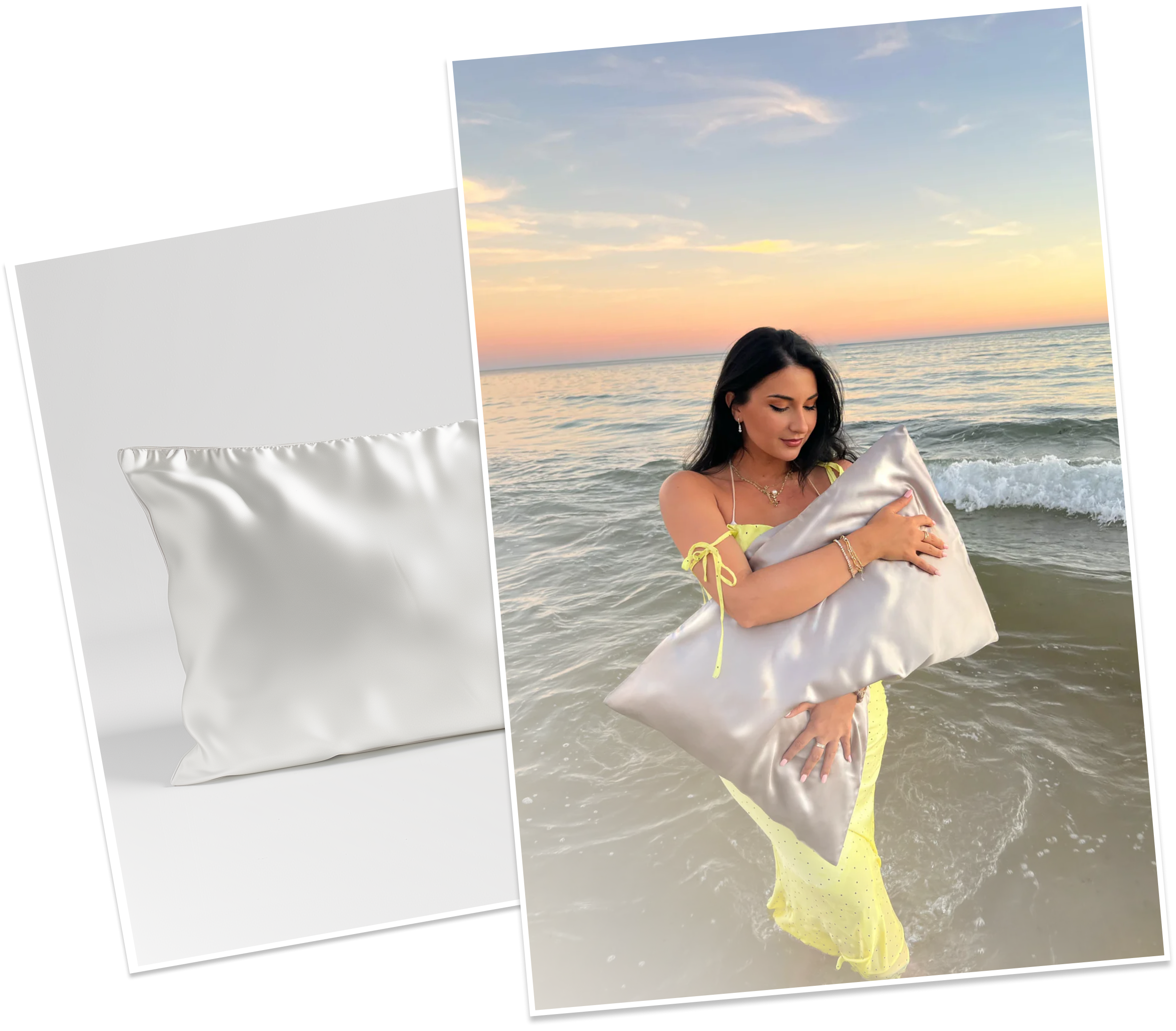

Avoid Fake Silk: 8 Expert Tips to Identify a Real Silk Bonnet
A real silk bonnet is easy to spot when you know what to check. Start with the label, the fabric, and the quality details.
Many bonnets look luxurious online. Yet looks can be misleading. A shiny finish does not always mean real silk.
Before buying, use this quick checklist:
- Look for 100% mulberry silk or 100% silk on the label.
- Confirm a 19 to 22 momme weight for everyday bonnet use.
- Check for OEKO TEX or GOTS certification.
- Look for a soft natural luster, not a high glossy shine.
- Feel for a fabric that is cool, soft, and never slippery.
Identifying real silk is easy. A few practical checks can protect both hair and budget. These eight expert tips will help separate genuine silk from clever marketing.
Tip 1: Read the Fiber Content First
A genuine bonnet clearly lists its actual fiber. Look for these terms:
- 100% mulberry silk
- 100% silk
- Organic mulberry silk, when available
Be careful with marketing phrases like:
- Silk touch
- Silky feel
- Satin finish
- Silk blend
- Silk like
- Luxury satin
Those phrases do not guarantee real silk. They often describe polyester products. Satin is a weave, not a fabric. It can be made from silk, polyester, or nylon. That means a satin bonnet is not automatically a silk bonnet.
The table below will make it clearer.
|
Label |
What It Usually Means |
|
100% Mulberry Silk |
Genuine silk |
|
100% Silk |
Genuine silk |
|
Silk Satin |
Silk woven in satin style |
|
Satin |
May be polyester or another fiber |
|
Silk Touch |
Usually synthetic |
|
Silky Feel |
Marketing description |
If the material stays unclear, skip the product. Good brands proudly explain their fabrics.
Tip 2: Check the Momme Weight
Momme measures silk weight, density, and overall quality. It also affects durability and feel. For bonnets, experts recommend 19 to 22 momme.
That range offers softness without sacrificing strength.
|
Momme |
Feel |
Best For |
|
16 momme |
Light and delicate |
Occasional use |
|
19 momme |
Soft and balanced |
Daily wear |
|
22 momme |
Dense and luxurious |
Premium bonnets |
Twenty-two momme is often the sweet spot. It feels rich and lasts longer. The heavier weave better resists stretching around seams and elastic openings. It also keeps its smooth finish through repeated washing and regular use.
Lower momme silk still feels pleasant at first. Yet thinner fibers wear faster over time. A quality bonnet should look and feel smooth after months of nightly wear.
Tip 3: Look Closely at the Shine
Real silk catches light in a soft, elegant way. That gentle glow changes as the fabric moves. This effect is called a natural luster.
Polyester satin reflects light evenly across the surface. The result looks brighter and sometimes almost plastic.
|
Real Silk |
Polyester Satin |
|
Soft natural luster |
High glossy finish |
|
Multi tonal sheen |
Uniform shine |
|
Light shifts with movement |
Light stays consistent |
|
Rich and elegant look |
Artificial appearance |
|
Smooth without looking slippery |
Slick and overly shiny |
Hold the bonnet near a window if possible. Move it slowly from side to side. Real silk shows different shades as the angle changes.
Polyester usually keeps the same bright shine from every direction. If the fabric sparkles like plastic, it is probably not real silk.
Tip 4: Feel the Fabric

Real silk feels cool at first touch. Then it quickly warms against the skin. The surface feels smooth and soft. It never feels overly slippery.
Polyester satin often feels slick instead. Some versions create noticeable static.
Try the simple silk whisper test. Gently rub two layers together near your ear. Real silk makes a soft rustling sound called scroop. The sound is quiet and delicate, almost like dry leaves. Synthetic fabrics often produce a plastic squeak or no sound at all.
Another quick check is the finger glide test. Your fingers should move smoothly without sticking or dragging. Think of touching a fresh flower petal. That natural softness feels much closer to real silk.
|
Real Silk |
Fake Silk |
|
Cool at first touch |
Often room temperature |
|
Soft and smooth |
Slick and slippery |
|
Gentle scroop sound |
Plastic squeak or silence |
|
Warms quickly |
Feels less responsive |
|
Minimal static |
Can build static easily |
One test alone is not enough. Several together create a clearer answer.
Tip 5: Look for Trusted Certifications
Premium silk brands proudly share independent certifications. Two names deserve special attention.
GOTS Certified Organic Silk
GOTS stands for Global Organic Textile Standard. It verifies organic fiber content from production through finishing. It also limits harmful chemicals during manufacturing. That creates a cleaner fabric for everyday use.
OEKO TEX Standard 100
OEKO TEX Standard 100 tests finished textiles for harmful substances. Every tested component must meet strict safety limits. That includes dyes, threads, buttons, and elastic parts. These certifications matter for sensitive skin and sensitive scalps.
|
Certification |
What It Verifies |
|
GOTS |
Organic fibers and responsible processing |
|
OEKO TEX Standard 100 |
Testing for harmful substances in finished textiles |
Always look for certification details on the product page. Reputable brands usually display certification names or license information. If no details appear, ask the seller before buying.
Tip 6: Check the Construction Details
Great silk deserves great construction. Look for these features:
- Even stitching
- Smooth seams
- Clean finishing
- Wide cuff design
- Secure elastic
- Adjustable strap or drawstring
Wide cuffs spread pressure more evenly around the head. That reduces tight spots and unnecessary hair tension. Adjustable straps create a secure fit without squeezing. A better fit also keeps the bonnet from slipping overnight.
Smooth seams reduce rubbing against delicate strands. Fewer rough edges mean less friction and less breakage.
Contrarily, loose threads and uneven stitching signal shortcuts during manufacturing. Those shortcuts can shorten the bonnet's lifespan.
|
Good Construction |
Poor Construction |
|
Smooth seams |
Rough seam edges |
|
Wide comfortable cuff |
Narrow tight band |
|
Secure adjustable fit |
Loose or overstretched elastic |
|
Clean stitching |
Visible loose threads |
Tip 7: Compare the Price With the Details
Real silk takes time to produce. That naturally increases its cost. Silkworm cultivation requires care and controlled conditions. Spinning long natural fibers also demands skilled processing.
Heavier silk uses more raw material. Better silk grades require stricter quality selection. That is why genuine silk rarely sells at bargain prices.
Use this price guide as a starting point.
|
Price Range |
What You Will Usually Find |
|
Under $20 |
Usually polyester satin or synthetic blends |
|
$20 to $40 |
Mixed materials or lower quality silk |
|
$40 to $70 |
Genuine mulberry silk from many quality brands |
|
$70 and above |
Premium mulberry silk with advanced features and certifications |
Before buying, ask these simple questions.
- Does the listing state 100% mulberry silk?
- Does it list a 19 to 22 momme weight?
- Does it mention the silk grade?
- Does it include certification details?
- Does it explain the bonnet construction?
Tip 8: Try the Water Absorb Test
Place one small drop on a hidden area. Watch what happens for a few seconds. Real silk absorbs the drop slowly. The spot may darken for a moment. Then it gradually dries without leaving a hard mark.
Polyester usually behaves differently. The water often beads on the surface. It may roll away instead of soaking in.
|
Real Silk |
Polyester Satin |
|
Slowly absorbs water |
Water beads on top |
|
Temporary darker spot |
Surface stays glossy |
|
Natural fiber reaction |
Synthetic fiber reaction |
Never soak the entire bonnet. Too much water can affect the fabric before washing. Use this test only when a return is unnecessary.
Tip 9: Use the Burn Test Carefully
This test works best on loose fabric threads. Never burn a complete bonnet and never perform this test indoors without proper ventilation. Keep water nearby before starting.
Real silk is a natural protein fiber. It burns slowly and often curls away from the flame. The smell resembles burnt hair. The ash feels dark and crushes easily.
On the other hand, polyester melts instead of burning naturally. The smell becomes chemical or plastic-like. Its residue cools into a hard bead.
|
Real Silk |
Polyester Satin |
|
Burns slowly |
Melts quickly |
|
Smells like burnt hair |
Smells like plastic |
|
Soft crushable ash |
Hard plastic bead |
|
Natural protein fiber |
Synthetic polymer |
Is the Ring Test Really Useful?
Many shoppers hear about the famous ring test. It comes from the fact that real silk should slide through a ring with ease. Yet this test creates confusion. Bonnets have multiple fabric layers. Those features affect movement through a ring.
Momme weight also changes the result. A dense 22 momme silk bonnet feels thicker than lighter silk. That does not make it fake.
Ring size changes the outcome too. A small ring can stop genuine silk. A larger ring may let many fabrics pass. The ring test measures flexibility, not authenticity.
Better checks include:
- Reading the fiber label
- Confirming momme weight
- Looking for certifications
- Feeling the fabric
- Comparing the natural shine
What Does a Real Silk Bonnet Feel Like in Your Hands?
A real silk bonnet feels light without feeling flimsy. It slides smoothly through the fingers. Yet it still has structure. The fabric does not cling or crackle. The seams sit flat. The elastic feels secure instead of stiff.
After a few seconds, the silk warms naturally against the skin. That is the easiest authenticity check.
Choosing Better Means Sleeping Better
A bonnet becomes part of a nightly routine. One made of real silk protects hair with gentle contact instead of constant friction.
HoneyLux bonnets use 6A grade organic mulberry silk. They are made from 22 momme silk for lasting softness and strength.
Every bonnet is GOTS Certified Organic and also OEKO TEX certified. That means the fabric meets strict safety and quality standards. The smooth silk surface reduces overnight friction. Hair stays softer and retains more natural moisture.
Buying a bonnet should never feel like a guessing game. The materials, certifications, and construction should always be easy to verify. Explore the HoneyLux turbans and wraps collection for complete product details.
Find the bonnet that protects your hair night after night. A better bonnet today can mean smoother hair every morning.
FAQs
Is satin the same as silk for bonnets?
No. Satin is a type of weave, not a fabric. It can be made from polyester, silk, or other fibers. A silk bonnet made from 100% mulberry silk offers natural breathability and moisture retention. Polyester satin feels smooth but does not provide the same natural properties or long-term hair benefits.
What momme weight is best for a silk bonnet?
For most people, 19 to 22 momme is the ideal range. It balances softness, durability, and comfort for nightly use. A 22 momme bonnet contains more silk, resists stretching better, and keeps its shape longer. Lower momme silk may feel light but can wear out faster with regular washing.
Can a cheap bonnet be real silk?
It is possible, but it is uncommon. Real silk is expensive to produce because it uses natural fibers and careful manufacturing. Extremely low prices often indicate polyester satin or silk blends instead of pure silk. Always check the fiber content, momme weight, and certifications before making a purchase.
Is OEKO-TEX or GOTS certification important for hair bonnets?
Yes. OEKO-TEX Standard 100 tests finished textiles for harmful substances, while GOTS verifies certified organic fibers and responsible production practices. These certifications add confidence about material quality and processing. They can be especially valuable for people with sensitive scalps, delicate hair, or skin that reacts easily to chemicals.
Can I burn test my bonnet to check if it’s real silk?
A burn test can identify silk, but it should not be the first choice. It damages the fabric and creates a fire risk. Real silk burns slowly and smells like burnt hair because it is a natural protein fiber. Polyester melts and forms hard plastic beads. Reading labels and checking certifications is much safer.
Do real silk bonnets help with curly or 4C hair?
Yes. Real silk creates less friction than many synthetic fabrics, helping curls and coils stay smoother overnight. It also helps retain natural moisture instead of absorbing it. That can mean less frizz, fewer tangles, and reduced breakage. Many people with curly, coily, or 4C hair use silk bonnets to protect their styles while sleeping.