
How to Get Rid of Sleep Wrinkles: 5 Effective Habits
Sleep wrinkles can show up on your face as lines when you wake up. They happen because skin is pressed against a pillow for hours. The good news is that, yes, sleep wrinkles can be reduced. More important is the fact that they can be prevented with simple sleeping habits. You don’t have to accept deep lines on your face every morning. There are practical steps you can take tonight that help your skin look smoother by morning.
Many people wake up and wonder, “Why do these lines not go away?” or “Is there really a way to stop sleep wrinkles from forming in the first place?” People ask these questions because sleep lines sometimes feel stubborn, almost like they’re carved in. But understanding what causes them and what helps your skin recover sets the stage for real change.
This article walks through why sleep wrinkles form, whether they can be reversed, and five habits that truly help reduce their appearance.
What Causes Sleep Wrinkles on Face
There are several causes of sleep wrinkles. The key causes are:
Sleeping Position
Side and stomach sleeping positions put prolonged pressure in the skin around the eyes. This, in turn, causes the skin to fold and crease for hours. When this happens every night, the lines around the eyes become deeper.
Pressure & Friction
The mechanical force of your face against the pillow causes stress on facial tissues. Your skin gets squeezed and stretched in different directions as you sleep. This creates folds.
Loss of Skin Support
As you age, your skin loses collagen, elastin and moisture. This makes it less resilient. Its ability to bounce back from these nightly indentations significantly reduces.
Can Sleep Wrinkles Be Reversed
Yes, sleep wrinkles can be reversed to some degree, especially in the early stages. Temporary lines often fade a few hours after waking. This happens because the skin relaxes and blood flow returns to normal. With consistent habits that protect skin at night, those lines can become less frequent and less deep over time.
Reversal depends on the depth and age of the lines. Very fine, recent lines are easier to smooth out than deeper, older ones. Improving skin elasticity through gentle skin care and habits that reduce repeated pressure helps the skin look fresher. Think of it like smoothing a crease in fabric. Newer creases relax faster than older ones.
Consistent sleep habits, better pillow materials, mindful sleep positions, gentle skin care, and supportive accessories all contribute to gradual improvement. This means sleep wrinkles don’t have to be permanent. With thoughtful steps, they can fade.
1. Choose Supportive Pillow Materials

The surface you sleep on matters more than you might think. Cotton and other rough fabrics create friction and tug at skin as you move. That tugging can encourage fine lines to form. A smoother surface keeps skin gliding softly without harsh pressure.
When skin slides less and rests more gently, overnight lines tend to be lighter. This doesn’t just help with wrinkles, it also makes mornings feel more comfortable because there’s less friction pulling at delicate facial skin.
Why Pillow Material Helps
- Rough fabrics create friction, tugging skin in different directions
- Smooth fabrics reduce pulling and help skin stay hydrated
- Less tugging means fewer repeated bends in the same spot
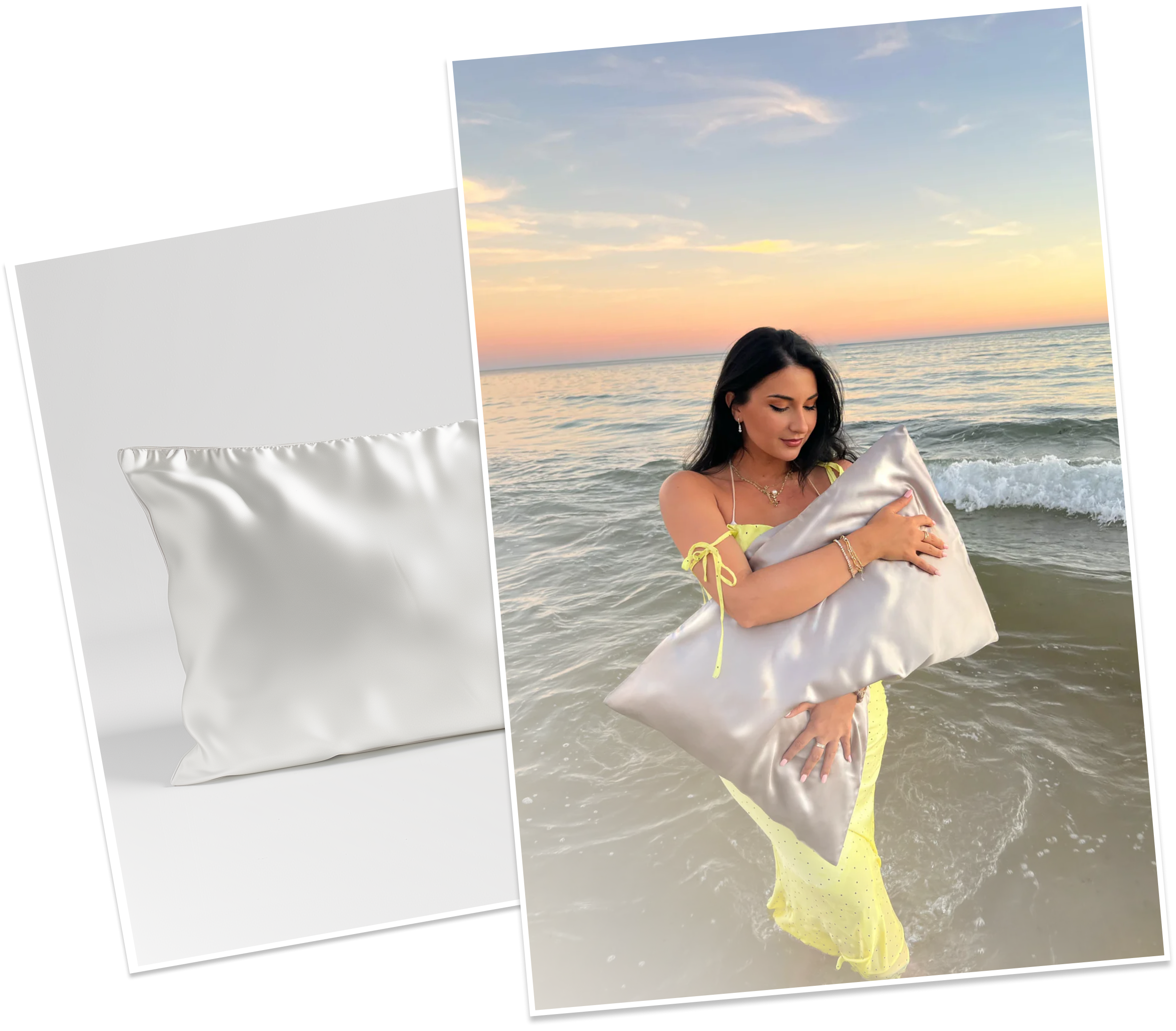
Silk pillowcases are often recommended for preventing sleep wrinkles. Silk creates less friction. This allows the skin to glide instead of tugging and compressing. Silk is also less absorbent. This, in turn, helps your skin to retain its natural moisture. Silk’s smooth surface minimises skin compression and creasing. So, there are fewer chances of developing fine lines and wrinkles.
Organic silk pillowcases by HoneyLux are made from 100% organic mulberry silk. This silk has a higher weight and smoother finish than standard silk. The fabric feels soft against skin and is naturally breathable. Such a quality silk with a cooler, smoother surface can support skin that stays hydrated and comfortable overnight.
2. Adjust Sleep Position Mindfully
Your sleep position plays a role in where and how lines form. Sleeping on your side or stomach puts direct pressure on facial skin. Front‑facing pressure bends skin more deeply than back‑sleeping positions.
If you often wake with lines on your cheeks or around your mouth, side or stomach, sleeping may be part of the reason. Training your body to rest on your back can take some effort, but it often reduces pressure on the face. This helps lines fade more quickly after waking.
Tips for Better Sleep Position
- Try placing a pillow behind your back to encourage back sleeping
- Use a body pillow to reduce rolling onto your side
- Sleep in loose, comfortable clothing to avoid tension
While you sleep, your body moves naturally. Don’t worry if you shift positions. Just being mindful and trying back sleeping more often reduces repeated pressure in the same places.
3. Hydrate and Protect Skin Before Bed
Skin that is dry or dehydrated tends to crease more easily. Hydrated skin is more elastic and bounces back more readily from compression. A simple bedtime skin routine supports skin’s ability to relax and recover overnight.
A gentle cleanser, a rich moisturiser or serum, and a nourishing night cream help skin stay plump. Moisturising before bed doesn’t need to be complicated. The goal is to prepare skin so it isn’t dry when pressure happens.
When skin stays moist, the lines that do form are lighter and fade more quickly. Sleeping with properly hydrated skin also helps reduce irritation and dryness that can make wrinkles look worse.
Nighttime Skin Care Suggestions
- Clean skin with a mild, non‑stripping cleanser
- Apply a moisturiser with humectants like hyaluronic acid
- Add a night cream that locks in moisture
Hydrated skin feels smoother in the morning and shows fewer signs of overnight compression.
4. Use a Silk Sleep Mask for the Eye Area

The delicate skin around the eyes is one of the first places where sleep wrinkles often appear. This is because it is thin and more prone to compression lines. Soft, smooth surfaces around the eye area can help minimise lines.
A silk sleep mask can create a friction‑free zone that reduces pressure and tugging. Smooth silk helps skin glide softly instead of catching. When friction is reduced, fine lines around the eyes are less likely to deepen overnight.
Silk sleep masks work by covering the eyes with a gentle, smooth fabric that protects delicate skin from the rough edges of a pillow or bedding. A blackout mask also helps create complete darkness, which supports better melatonin production and restful sleep.
HoneyLux offers organic silk sleep masks made with four layers of silk stuffing for extra comfort. The smooth surface helps keep the eye area from creasing while you sleep. Silk’s natural ability to retain skin moisture also supports a calmer environment that helps reduce fine line formation around the eyes. Over time, a silk mask can become an easy part of your nightly routine.
5. Be Gentle With Morning Skin Care
The first moments after waking matter. Skin that is rubbed or tugged while dry is more likely to show lines. A gentle morning routine supports skin that has already begun to relax overnight.
When you wake up, start with soft hands and light movements. Let cool water or a gentle mist touch skin first before adding any product. Dab moisturiser lightly rather than dragging it. This helps lines that formed overnight fade more quickly.
Less is more when skin is sensitive in the morning. Being gentle doesn’t mean skipping care. It means treating skin with respect as it transitions from a night of rest to a day of activity.
Gentle Morning Steps
- Splash cool water to refresh skin
- Use a light, hydrating mist
- Apply moisturiser with soft taps, not pulls
- Avoid harsh exfoliants first thing
Habits That Help Over Time
Sleep wrinkles don’t disappear overnight. Patterns repeated night after night become habits that support smoother skin. The habits above work together to reduce the formation of lines and help them fade when they do appear.
Think about your favorite shirt. Now imagine there are small creases on it. How will you remove them? Just a gentle sweep of the press will make them vanish. Sleep wrinkles are not much different from them. They are small creases on your skin. New creases relax quickly with a gentle press. Older creases take a little more attention and care. When pressure isn’t repeated in the same places, fabric smooths out more easily. Your skin behaves in precisely the same manner. To prevent and eliminate sleep lines, you need to adjust:
- How you sleep
- What you sleep on
- How you care for your skin, and
- How you support delicate areas
Depending on how deep they are, they can disappear or lighten over time.
Get Ahead of Sleep Wrinkles
Sleep wrinkles are not just an outcome of sleeping poorly. While that does causes lines around the eyes and mouth, many other factors contribute to it. Things like dehydrated facial skin and excessive sun exposure will only deepen these lines. Fortunately, if you follow the habits above, keep your skin hydrated and limit sun exposure, you’ll be much less likely to develop them. It will also help soften existing deep lines on your face. So, start following these tips today and beat your sleep wrinkles quickly.
FAQs
Does sleep improve wrinkles?
Quality sleep helps skin repair and recover, which can make fine lines less noticeable over time. Resting well won’t erase deep wrinkles. But it supports natural collagen production and hydration, helping skin stay smoother.
What causes 90% of the skin wrinkles?
90% of wrinkles are caused by sun exposure. Harsh sunrays break down collagen and elastin. Other factors like repeated facial expressions, friction from pillows, and aging also contribute to wrinkles. But UV damage is the primary driver.
Do dermatologists recommend Botox for sleep lines?
Dermatologists usually reserve Botox for dynamic wrinkles caused by repeated muscle movements, not lines from sleep. Sleep wrinkles are better managed with protective habits like silk pillowcases, gentle sleep masks, hydration, and careful skincare.
Do hard pillows cause wrinkles?
Yes, hard or rough pillows increase pressure and friction on the face during sleep. This, in turn, can crease skin and contribute to sleep wrinkles over time. Softer, smoother fabrics like silk help reduce this effect.
Can drinking water reduce wrinkles?
Staying hydrated supports skin elasticity and plumpness. It can make fine lines less noticeable. Water alone won’t erase wrinkles. But it helps skin look healthier and better able to recover from daily stress.