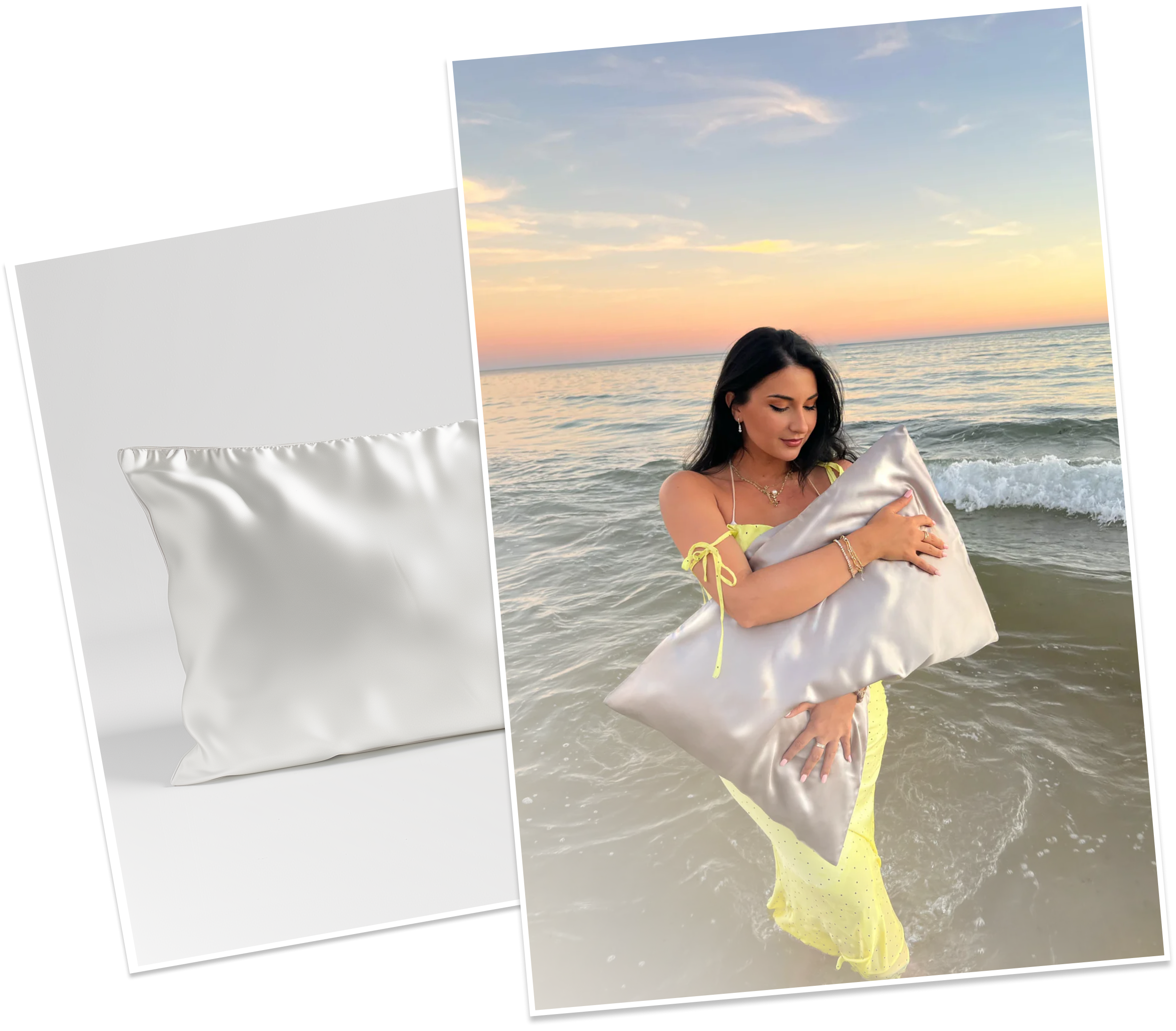

Keratin Hair Care: 7 Aftercare Rules That Make Results Last Longer
Hair care after keratin is all about protecting moisture and reducing friction. It’s important to avoid habits that break down the treatment too soon.
Keratin treatments smooth hair and reduce frizz, but the results are not permanent. With the right care, they usually last 3 to 6 months, depending on your hair type and daily habits.
A keratin treatment can feel like magic at first. Hair looks sleek, shiny, and easy to manage. But then a few weeks pass, and things can start to change. Frizz slowly returns. Ends feel a bit dry again. It’s easy to wonder what went wrong.
The treatment doesn’t fade all at once. It wears down little by little based on how you care for your hair.
That’s why aftercare matters so much. Small choices, like how often you wash or what tools you use, can either stretch those smooth results or shorten them to just a few weeks.
Why Hair Care After Keratin Matters
A keratin treatment works by adding a layer of protein to your hair. This layer sits along the hair shaft and fills in rough spots. As a result, the cuticle lies flatter. Your hair looks smoother and less frizzy.
But this layer is not permanent. It is held in place with heat during the treatment. This helps it bond to the hair surface. Over time, that bond weakens. Washing, heat styling, and daily friction slowly wear it down.
This is why results usually last 3 to 6 months. Some people stay closer to six months. Others notice changes sooner. The difference often comes down to aftercare.
Think about it this way.
“Would you scrub a fresh coat of paint every day?” Probably not.
The same idea applies here. The keratin layer needs gentle care to last. If the cuticle keeps getting lifted through harsh washing or friction, the coating fades faster.
So the goal is simple. Protect what’s already there. Because the better you care for it, the longer that smooth, polished finish stays with you.
The 72-Hour Rule: What You Do First Matters Most
Right after a keratin treatment, the first 72 hours are critical. This is when the keratin is still settling into your hair. During this time, even small mistakes can affect how well the treatment lasts.
So, what should you avoid?
-
No washing
Water can interrupt the bonding process. Even a quick rinse can weaken the results. -
No tying or clipping
Hair is still settling into its smooth shape. Tying it can leave dents or bends that stay. -
No humidity exposure
Sweat, rain, or steam from hot showers can add moisture. That can interfere with how the keratin sets. -
Keep hair loose and straight
Let it fall naturally. The less you touch it, the better.
What if your hair gets wet?
Don’t panic. Act quickly.
- Gently pat your hair dry with a soft towel
- Use a blow dryer on a low to medium setting
- Run a flat iron lightly over the affected area if needed
This helps reset the hair before any creases form.
1. Use Sulfate-Free Shampoo Only

Sulfates are strong cleansers. They open the hair cuticle and wash away the keratin layer. Salt does something similar. It weakens the bond and reduces the smooth effect over time. Even a few washes with the wrong formula can undo the results.
So yes, “sulfate-free” matters. But it’s only half the story. You also want salt-free formulas.
Why this matters
- Sulfates strip the keratin coating
- Sodium chloride weakens the treatment bond
- Petroleum-based ingredients can dry the hair further
What to look for (safe ingredients)
These help support smooth, hydrated hair:
- Argan oil for softness and shine
- Glycerin for moisture retention
- Amino acids to support hair strength
What to avoid
- Sulfates (like SLS or SLES)
- Sodium chloride (salt-heavy formulas)
- Heavy petroleum-based ingredients
How often you wash matters just as much as what you use. Washing too often keeps lifting the cuticle again and again. That slowly fades the treatment.
Simple routine that works
- Wash 2 to 3 times per week
- Use lukewarm water, not hot
- Focus shampoo on the scalp, not the lengths
2. Avoid Excess Water Exposure
After the first 72 hours, it’s safe to wash your hair. But that doesn’t mean more water is better. Washing too often, or soaking hair for too long, can slowly break down the keratin layer.
Every time your hair gets wet, the cuticle lifts slightly. That’s normal. But repeated exposure makes the smooth coating fade faster. Hair starts to feel less sleek and more dry over time.
Common mistakes
- Washing hair every day
- Standing under long, hot showers
- Swimming without protecting hair
So what works better?
Smarter ways to manage water exposure
-
Use a shower cap on non-wash days
Make sure it fits well around your hairline. Tuck all your hair inside so steam and moisture don’t sneak in. -
Keep rinses short
When you do wash, be quick. Avoid letting water run over your hair for too long. -
Use dry shampoo between washes
This helps absorb oil and keeps hair fresh without adding water. -
Apply a leave-in conditioner before swimming
It creates a light barrier and reduces how much water your hair absorbs.
3. Switch to Silk for Less Friction

Cotton feels soft on your skin. But for your hair, it tells a different story. As you move in your sleep, strands rub against the fabric again and again. That constant friction lifts the cuticle. It pulls out moisture, and slowly brings frizz back.
This matters even more after a keratin treatment. Your hair is smoother. But it is also more dependent on low friction to stay that way.
Silk works in a very different way. Its surface is naturally smooth. So instead of dragging, your hair simply glides over it. Less friction means the cuticle stays flat for longer.
Why silk makes a real difference
- Reduces friction on the hair surface
- Helps keep moisture locked in
- Prevents tangles and morning frizz
- Protects the keratin layer from wear
Silk vs. satin vs. cotton (what actually matters)
|
Fabric |
What it’s made of |
How it feels on hair |
Impact over time |
|
Cotton |
Natural fibers |
Slightly rough surface |
Absorbs moisture, creates friction |
|
Satin (polyester) |
Synthetic plastic fiber |
Slippery at first |
Traps heat, pulls moisture, increases dryness |
|
Silk (mulberry) |
Natural protein fiber |
Smooth and breathable |
Reduces friction and helps retain moisture |
Satin often looks like silk. But most satin is made from polyester. It may feel smooth in the beginning, but it behaves very differently. It can trap heat and absorb oils from your hair. Over time, this can lead to more dryness and frizz, not less.
Silk, especially mulberry silk, is a natural fiber. It is breathable and gentle. But the quality matters here too.
What is momme, and why it matters
Momme (mm) tells you how dense and durable the silk is.
- Lower momme (16–19) feels light but wears out faster
- 22 momme is the sweet spot for daily use
- Higher momme feels heavier and less fluid
For hair care, 22 momme mulberry silk offers the best balance. It feels smooth, lasts longer, and supports your hair night after night.
Easy upgrades that actually work
- Silk pillowcases to reduce overnight friction
- Silk hair wraps or turbans to keep hair in place
- Silk scrunchies instead of tight elastics
HoneyLux uses certified organic mulberry silk in these essentials. The focus is simple. Smooth surfaces, breathable fabric, and no harsh friction on your hair.
If your hair still feels messy in the morning, even after keratin, this is often the missing piece. Small fabric changes can protect your hair for hours while you sleep.
4. Detangle Gently with the Right Tools
After keratin, hair feels smoother. But that doesn’t mean it’s damage-proof. Rough tools can still pull, snap, or stretch strands.
This is where your comb choice matters. Cheap plastic combs often have rough seams. These tiny edges catch on hair. You may not see it, but you feel it as tugging.
Acetate combs are made from plant-based cellulose and are often hand-polished. This creates smooth, even teeth with no sharp edges.
Benefits of using an acetate comb
- Glides through hair without pulling
- Reduces static and frizz
- Works on both wet and dry hair
- Helps spread conditioner evenly
How to detangle properly
- Start from the ends
- Work your way up slowly
- Use gentle strokes, not force
5. Limit Heat Styling
Keratin treatments already use heat during application. So adding more heat daily can do the opposite of what you want.
Too much heat dries hair and weakens the protein layer.
Common heat mistakes
- High-temperature flat ironing
- Daily blow drying without protection
- Skipping heat protectant
Better approach
- Lower the heat setting
- Use a heat protectant every time
- Air-dry when possible
Sometimes less styling actually gives better results. Hair holds its smooth shape longer.
6. Protect Hair Overnight with Wraps

You spend hours moving in your sleep. Hair rubs against the pillow again and again. That friction slowly wears down the smooth keratin layer. So even if your daytime routine is perfect, nights can undo the effort.
Silk wraps help protect that surface. They keep hair in place. They reduce rubbing. The wrap help hold in moisture so strands stay soft by morning.
Why silk wraps work better than cotton
Cotton absorbs moisture and creates drag. This leads to dryness and frizz, especially after a keratin treatment.
Silk has a smooth, low-friction surface. Hair glides over it instead of catching. It also does not pull moisture away from strands.
Quick comparison
|
Feature |
Cotton Wrap |
Silk Wrap |
|
Surface feel |
Slightly rough |
Smooth and soft |
|
Friction level |
Higher |
Very low |
|
Moisture retention |
Absorbs moisture |
Helps retain moisture |
|
Effect on keratin |
Wears it down faster |
Helps it last longer |
Why this matters most in the first 2 weeks
The first couple of weeks after a keratin treatment are key. The coating is still settling in. It needs time to stay smooth and even.
If hair rubs too much during this phase, the ends can turn rough early. That is when people feel like the treatment “did not last.” But often, it is just friction damage.
Using a silk wrap during this time helps protect the finish. It keeps the cuticle flat and reduces early frizz.
How to wrap your hair step by step
Getting this right is simple. But small details matter.
- Start with dry, detangled hair. Use a wide-tooth comb gently.
- Gather hair into a loose style. A low bun or soft braid works well.
- Place the silk wrap over your head. Make sure all hair is covered.
- Adjust it so it feels secure but not tight. You should not feel pressure.
- Tuck in loose strands. This prevents rubbing at the ends.
Small upgrade, big impact
Many people focus only on shampoos and serums. But fabric choice at night is just as important. A silk wrap protects the work already done. It supports the treatment instead of slowly breaking it down.
For better results, choose high-quality mulberry silk wraps with a dense weave. They last longer and feel softer on hair. HoneyLux silk turbans and wraps are designed for this exact purpose. They sit comfortably and stay in place through the night.
Over time, this one habit can reduce frizz, protect ends, and help the keratin treatment last closer to its full lifespan.
7. Keep Hair Hydrated
Keratin smooths hair, but hydration keeps it healthy. Without moisture, hair becomes stiff and dull. That’s when frizz starts creeping back.
Signs your hair needs moisture
- Feels rough to touch
- Looks flat or lifeless
- Tangles easily
Simple hydration tips
- Use a leave-in conditioner
- Apply a light hair serum
- Deep condition once a week
Hydration supports the keratin layer. It doesn’t replace it, but it helps it perform better.
Hair Care After Keratin: Quick Routine Table
|
Step |
What to Do |
Why It Helps |
|
Washing |
Use sulfate-free shampoo |
Protects keratin layer |
|
Drying |
Avoid high heat |
Prevents dryness |
|
Detangling |
Use smooth comb |
Reduces breakage |
|
Sleeping |
Use silk wrap |
Cuts friction |
|
Styling |
Limit heat tools |
Maintains smoothness |
|
Hydration |
Use leave-in products |
Keeps hair soft |
What NOT to Do After a Keratin Treatment
Good habits help your results last. But the wrong habits can undo them fast. So you must know what to avoid, especially in the first few days and weeks.
The first 72 hours matter the most
This is the bonding phase. The keratin is still settling into the hair. Any pressure or moisture can disturb it.
Avoid these completely during the first 72 hours:
- No hair ties or elastics
- No ponytails or buns
- No clips or bobby pins
- No tucking hair behind ears for long periods
Even small dents can set into the hair. If that happens, it can be hard to reverse without heat styling.
Be careful with heat styling
Heat is not always bad. But unprotected heat is.
What to avoid:
- Using flat irons or curling tools without a heat protectant
- High heat settings on already smooth hair
- Daily heat styling without breaks
Keratin-treated hair is already straight and smooth. Too much heat can dry it out and shorten the life of the treatment.
Watch out for water exposure
Water may seem harmless. But certain types can be harsh.
Avoid or limit:
- Swimming in chlorinated pools without protection
- Saltwater exposure at the beach
- Letting hair stay wet for long periods
Chlorine and salt can strip the keratin layer faster. If swimming is planned, apply a leave-in conditioner. Then, tie the hair loosely to reduce damage.
Don’t ignore friction
Friction builds slowly. But it shows up in frizz and rough ends.
Common mistakes:
- Sleeping on rough cotton pillowcases
- Skipping wraps or protective styles at night
- Using rough towels to dry hair
Upgrade Your Routine with Better Tools
After keratin, tools matter as much as products. HoneyLux focuses on materials that reduce friction and protect hair.
Useful options
- Acetate combs for smooth detangling
- Silk wraps and turbans for overnight care
- Gentle hair accessories that don’t pull
These are not replacements for good hair care. But they support it in a simple, daily way.
What Actually Makes the Biggest Difference
It’s not one big change. It’s a mix of small habits.
- Gentle washing
- Less heat
- Better tools
- Reduced friction
Each step adds up. Over time, your hair either keeps that smooth finish or slowly loses it.
Keratin treatments don’t just rely on what happens in the salon. What you do after matters just as much. Daily habits, from how you wash your hair to the tools you use, slowly shape the longevity of the results. When you stay consistent with gentle care, your hair holds that smooth, polished feel for much longer.
FAQs
How long to wait before washing?
Wait at least 72 hours before washing your hair. This gives the keratin time to fully bond with the hair shaft. Washing too soon can weaken the treatment and reduce its smooth effect. During this time, keep hair completely dry. If it accidentally gets wet, gently blow-dry and straighten the section to reset it.
Can I use silk scrunchie after keratin?
Yes, but only after the first 72 hours. Before that, avoid all hair ties to prevent dents. Once safe, silk scrunchies are a better choice than regular elastics. They create less friction and do not pull on the hair. This helps maintain smoothness and reduces breakage over time.
What shampoo is safe?
Use a sulfate-free and sodium chloride-free shampoo. Harsh ingredients can strip the keratin layer quickly. Look for gentle formulas with ingredients like argan oil, glycerin, or amino acids. These help keep hair soft and hydrated. Washing two to three times a week is usually enough to maintain the treatment.
Does swimming ruin keratin?
Swimming can reduce the life of a keratin treatment, especially in chlorinated pools or saltwater. These elements can break down the coating on the hair. If swimming is unavoidable, apply a leave-in conditioner first and tie hair loosely. Rinse hair with clean water right after to reduce damage.
How do I protect keratin at night?
Protecting hair at night is simple but important. Use a silk pillowcase or a silk wrap to reduce friction. Cotton can pull moisture from hair and cause frizz. Gently detangle before bed and tie hair loosely if needed. This keeps the cuticle smooth and helps the treatment last longer.