
6 Gentle Hair Tools That Protect Your Hair Better Than Clippers
Hair clippers cut hair fast, but they do not protect it. If the goal is healthier, smoother hair, gentler tools like acetate combs and hair-friendly accessories are often the better choice.
Hair Clippers vs. Combs: What’s the Real Difference?
Hair clippers are built to remove hair. They use sharp blades and motor power. That makes them great for trims or quick cuts at home. But they do nothing for hair health. In fact, frequent or improper use can leave ends rough or uneven.
Combs, on the other hand, manage hair without cutting it. They help detangle, smooth, and shape strands. A good comb works with your hair, not against it. Over time, you experience less breakage and better texture.
Think about a rushed morning. You run a clipper to fix uneven edges. It works, but the hair still feels dry. Now imagine using a smooth comb that glides through without pulling. The result feels different. Softer and more controlled.
Why Hair Clippers Alone Are Not Enough
Hair clippers solve one problem. That is of the length. But hair care is bigger than that.
Hair health depends on moisture, friction, and daily handling. Clippers do not address any of these. Sometimes, they make things worse.
Here are a few common issues:
- Dry ends stay dry even after trimming
- Static and frizz remain because nothing smooths the hair
- Breakage continues if tools used after cutting are harsh
That is why many people feel stuck. They cut their hair often, yet it never looks truly healthy. The fix is simple. Add tools that protect and manage hair daily.
6 Smart Hair-Saving Alternatives to Hair Clippers
These are not replacements for cutting tools. They are smarter additions that improve how hair feels and behaves every day.
1. Acetate Combs for Gentle Detangling.

An acetate comb works very differently from a basic plastic one.
Acetate is made from plant-based cellulose. It is usually sourced from cotton and wood pulp. During processing, the material is formed into solid sheets. It is then carefully cut and polished.
Unlike cheap plastic combs that are mass-molded, acetate combs are finished to have smooth, seamless teeth. No rough edges. No tiny ridges that catch your hair.
That is exactly why your hair feels the difference right away.
Plastic combs often build up static. That charge makes hair lift, frizz, and tangle more. Acetate behaves differently. It has anti-static properties, so it helps keep hair calm and controlled. At the same time, the surface is smoother. This means less friction as it moves through your strands.
Over time, less friction means less breakage. This is where the real benefit shows up.
How to use it the right way
Here’s the proper way of using acetate combs:
- Start from the ends of your hair, not the roots
- Work your way up slowly to avoid pulling
- Use it on wet hair after applying conditioner to spread it evenly
- For dry hair, use light strokes to smooth and maintain your style
Acetate combs from HoneyLux
HoneyLux designs their acetate combs with daily use in mind. They are not just about looks. They are built for comfort and performance.
- Wide, rounded teeth that are gentle on all hair types
- Strong, drop-resistant structure for long-term use
- Helps maintain blowouts and define curls without disrupting them
- Works both in the shower and on dry hair
2. Wide-Tooth Combs for Wet Hair Care
Wet hair is fragile. This is when most breakage happens.
Using a tight brush or fine comb right after washing can stretch and snap strands. That damage builds up slowly.
Wide-tooth combs fix this by spacing out pressure. They move through hair gently, reducing stress on each strand.
Best uses:
- Detangling after a shower
- Applying deep conditioner
- Keeping curls intact without frizz
Ever heard that soft “snap” while brushing wet hair? You already know why this matters.
3. Claw Clips for No-Damage Styling

Not every hair fix needs cutting.
Claw clips hold hair in place without tension. They let you style quickly without heat or pulling. On busy days, they are a lifesaver.
Think of that long drive or gym sessions. Instead of tying hair tight or trimming ends, you clip it up and go.
Why they help:
- No strain on roots
- No breakage from tight elastics
- Easy to use and adjust
4. Silk Scrunchies to Reduce Friction

Regular hair ties can be rough. They pull, snag, and sometimes leave creases.
Silk scrunchies feel softer. They slide over hair instead of gripping it tightly. That reduces friction and keeps strands smooth.
Benefits:
- Less hair fall when removing ties
- No deep creases
- Better for long-term hair health
5. Detangling Combs for Daily Use
A good detangling comb becomes part of your daily rhythm.
Acetate detangling combs are designed for both structure and comfort. They are strong, yet flexible enough to handle daily use without snapping.
Key advantages:
- Durable and drop-proof
- Maintains blowouts without flattening them
- Enhances curls without disrupting their shape
So instead of fixing hair damage later, you prevent it from the start.
6. Hair Wraps for Overnight Protection

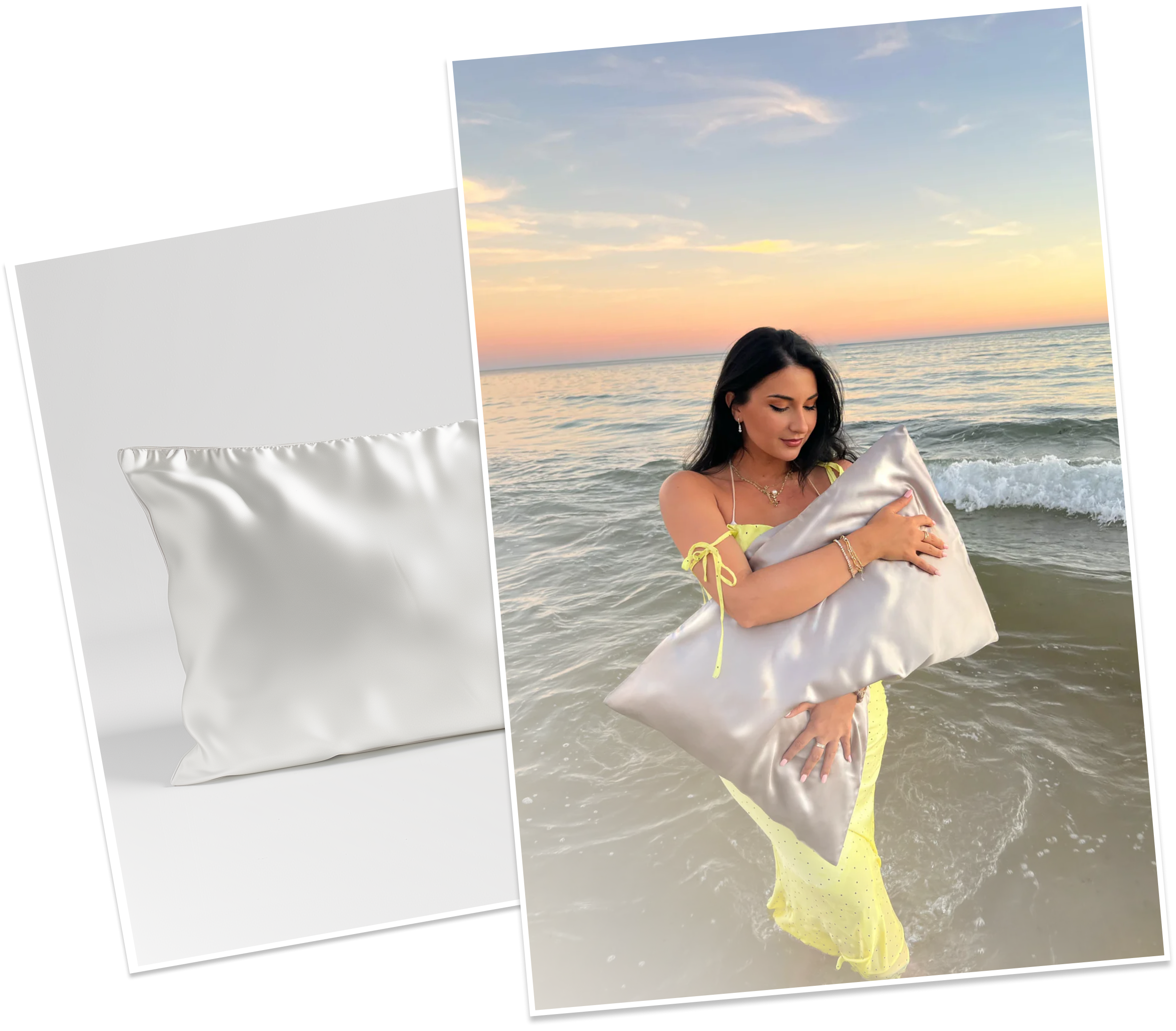
Nighttime does more damage than most people realize. You may go to bed with smooth hair, and still wake up with frizz, dryness, and tangles. It comes down to friction.
Cotton pillowcases feel soft on skin, but they are rough on hair. The fabric grips strands as you move in your sleep. Over a few hours, that rubbing lifts the hair cuticle. Once the cuticle is raised, moisture escapes. Hair starts to feel dry and looks dull.
Silk works very differently. Its surface is much smoother. Instead of grabbing your hair, it lets strands glide. That means less friction, less moisture loss, and fewer tangles by morning.
This is why silk hair wraps and turbans make such a noticeable difference.
Why silk wraps work better than cotton
|
Factor |
Cotton Pillowcase |
Silk Hair Wrap |
|
Surface texture |
Slightly rough |
Smooth and low-friction |
|
Hair movement |
Causes rubbing and pulling |
Allows hair to glide freely |
|
Moisture impact |
Absorbs moisture |
Helps retain natural oils |
|
Morning results |
Frizz and tangles |
Smoother, manageable hair |
How to wrap your hair the right way
Follow these steps:
- Start with dry or slightly damp hair
- Gently detangle using a wide-tooth comb
- Gather your hair loosely at the back or top
- Place the silk wrap over your head
- Tuck all strands inside without pulling tight
- Secure it so it stays in place, but feels comfortable
The key is to avoid tension. The wrap should protect your hair, not press it down.
Why this matters more if you use hair clippers often
Frequent trims or clipper use can leave the ends of your hair more exposed. Freshly cut ends do not always stay smooth for long. If they rub against cotton every night, they can become dry and rough again very quickly.
So you end up in a cycle. Trim, then deal with dryness, then trim again.
Silk wraps help break that cycle. They protect the cuticle while you sleep. That means your ends stay smoother for longer. You do not feel the need to fix them as often.
7. Leave-In Tools and Gentle Styling Habits
Sometimes the best alternative is not a product. It is a habit.
Using a gentle comb and avoiding heat, all add up. These small steps reduce the need for frequent cutting.
Simple habits that help:
- Comb from ends to roots, not the other way
- Avoid brushing dry curls aggressively
- Use tools designed for your hair type
Over time, these habits build stronger, healthier hair.
Which Tool Works Best for Your Hair Type?
What works for straight, fine hair may not work for thick curls. That’s why choosing the right tool for your hair type makes such a big difference.
For Fine or Thin Hair
Fine hair tangles easily. It can also break faster if handled roughly. So the goal here is gentle control without pulling.
Best tools:
- Acetate comb with wide, rounded teeth
- Silk scrunchies for low-tension styling
Why they work:
- Smooth teeth reduce friction and prevent snapping
- Anti-static properties help control flyaways
- Lightweight tools avoid stressing the roots
Tip: Always detangle slowly, starting from the ends. Fine hair needs patience more than force.
For Thick or Coarse Hair
Thick hair needs strength and structure. Weak tools often bend or snap. This makes styling frustrating.
Best tools:
- Durable acetate detangling comb
- Strong claw clips for secure hold
Why they work:
- Acetate combs are sturdy but still gentle on strands
- Wide spacing helps move through dense sections easily
- Claw clips hold volume without pulling too tight
For Curly or 4C Hair
Curly and coily hair needs extra care. The goal is to keep the natural pattern intact while reducing breakage.
Best tools:
- Wide-tooth acetate comb
- Silk scrunchies or wraps
Why they work:
- Wide teeth detangle without disrupting curl structure
- Smooth surface prevents snagging
- Silk reduces friction and keeps moisture in
Tip: Detangle when hair is damp and conditioned. It makes the process much easier and safer.
For Color-Treated Hair
Color-treated hair is often more fragile. It can feel dry or porous, especially after multiple treatments.
Best tools:
- Acetate comb for gentle detangling
- Silk accessories for daily styling
Why they work:
- Less friction helps protect weakened strands
- Even distribution of conditioner improves moisture retention
- Gentle handling helps maintain shine and smoothness
Key Takeaways You Can Use Today
Hair care does not need to be complicated. But it does need the right approach.
- Clippers are for cutting, not caring for hair
- Daily tools matter more than occasional trims
- Acetate combs reduce friction and protect strands
- Small upgrades like silk and clips improve long-term results
Once these changes become part of your routine, the difference feels natural.
Healthy hair is not just about how short or long it is. It is about how it behaves every single day. So the next time you reach for a tool, pause for a second.
Is it just fixing the length or actually improving your hair?
FAQs
Is a comb better than a hair clipper for hair health?
A comb is better for daily hair health because it does not cut or stress the hair. It helps detangle, smooth, and manage strands gently. Hair clippers only cut hair and do not improve its condition. Using a good comb regularly can reduce breakage, frizz, and damage over time.
What type of comb is least damaging?
The least damaging comb is one with wide, smooth, and rounded teeth. Acetate combs are a great option because they are anti-static and glide through hair easily. They do not have rough seams like plastic combs. This reduces pulling, friction, and breakage, especially when used on wet or fragile hair.
Can I use an acetate comb on wet hair?
Yes, an acetate comb works very well on wet hair. It is strong, smooth, and designed to detangle gently without pulling. Wide teeth help move through damp strands safely. It also helps spread conditioner evenly in the shower, which improves moisture and keeps hair soft and manageable after washing.
What is the difference between a detangling comb and a regular comb?
A detangling comb has wide, spaced-out teeth that move through hair gently. It is designed to reduce pulling and breakage, especially on wet or curly hair. A regular comb often has closer teeth and is better for styling. Detangling combs focus on safety, while regular combs focus more on shaping hair.