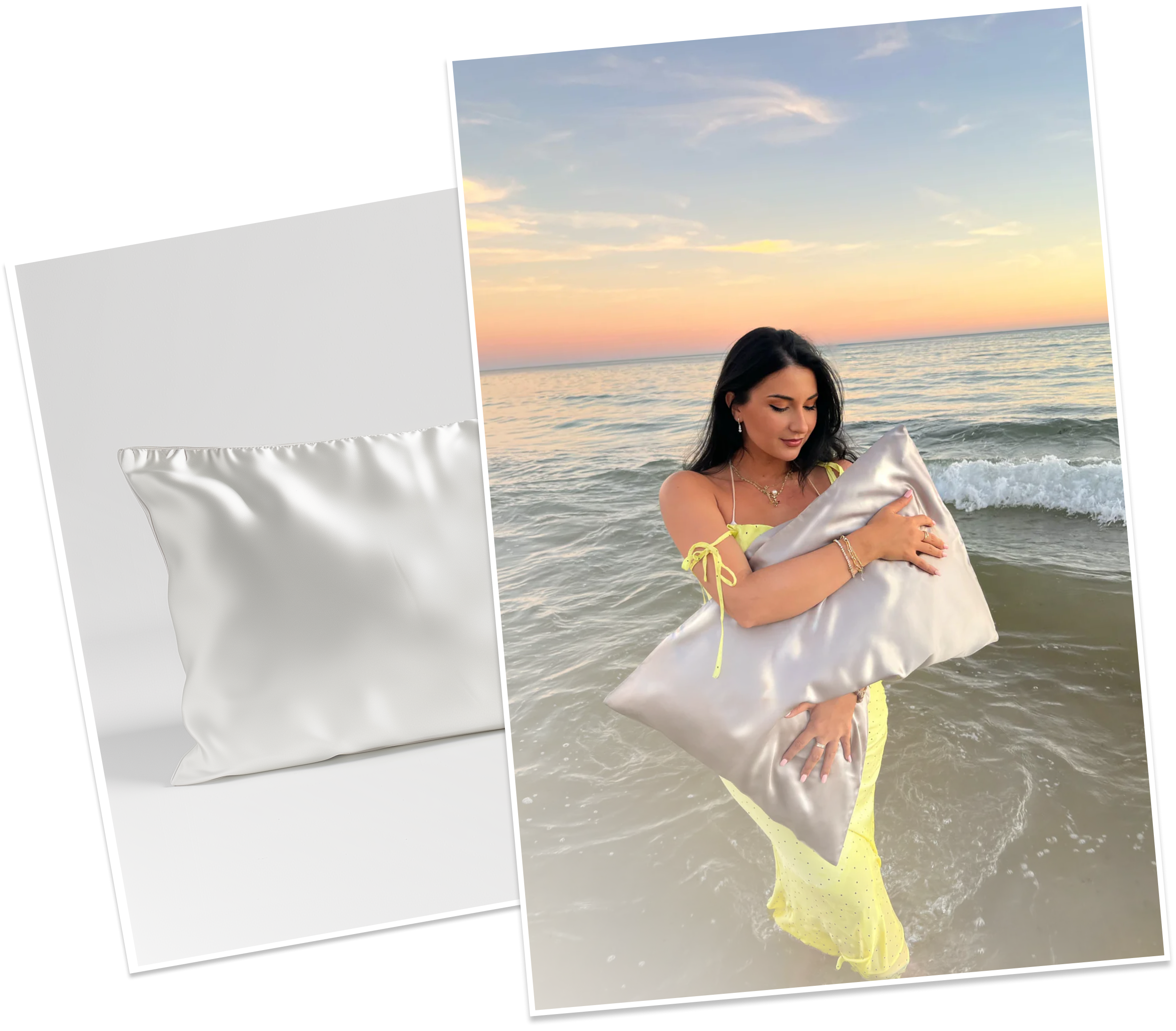

6 Top Silk Wrap Sleep Tips for Smoother, Healthier Hair
Good hair days don’t start in the morning. They start the night before.
If you wake up with frizz, dry ends, or flat hair, your sleep routine may be the reason. One simple change can make a big difference: using a silk hair wrap for sleeping.
Silk is soft. It’s smooth. And it’s gentle on hair. Unlike cotton, silk does not pull moisture from your strands. It also creates less friction. That means less breakage, less frizz, and healthier hair over time.
In this guide, we’ll share 6 simple silk wrap sleep tips that really work. They work for all hair types: straight, curly, long, short, thick, or fine.
Why a Silk Hair Wrap for Sleeping Works
A silk hair wrap for sleeping creates a soft barrier between your hair and your bedding. This matters more than most people think.
Cotton pillowcases:
- Pull on hair
- Absorb natural oils
- Cause friction
- Create frizz and breakage
Silk does the opposite:
- It is smooth
- It reduces friction
- It keeps moisture in
- It helps hair glide, not snag
Tip 1: Always Start with Dry, Detangled Hair
This sounds simple, but it matters. Wrapping wet hair can cause:
- Breakage
- Stretching
- Weakened strands
- Mold or odor inside wraps
Before using a pure silk hair wrap for sleeping, make sure your hair is:
- Fully dry
- Gently brushed or detangled
Simple rule:
If your hair feels damp → wait.
Dry hair = healthier wrap results.
This tip helps all hair types:
Tip 2: Match the Wrap Style to Your Hair Type
Not all hair wraps work the same for everyone. Your length and texture matter. Here’s a simple guide:
|
Hair Type |
Best Wrap Style |
|
Long hair |
Full-length silk wrap |
|
Curly hair |
Loose silk wrap or bonnet |
|
Short hair |
Fitted silk wrap |
|
Straight hair |
Flat wrap style |
|
Thick hair |
Stretch silk wrap |
|
Fine hair |
Light silk wrap |
The best silk hair wrap for sleeping is the one that:
- Feels comfy
- Stays on
- Doesn’t pull your scalp
- Doesn’t flatten your roots
Tip 3: Wrap Loose, Not Tight
Tight wrapping can damage hair and stress your scalp. A good silk hair wrap should:
- Hold your hair gently
- Not press hard on your edges
- Not pull at the hairline
- Not cause tension headaches
Think:
Secure, not squeezed.
Protected, not trapped.
Loose wrapping:
- Keeps styles intact
- Reduces breakage
- Feels better to sleep in
- Protects hair roots
Tip 4: Use a Silk Wrap with a Simple Night Routine
A silk wrap works best with small habits.
Here’s an easy night routine:
- Light oil or leave-in on ends
- Gentle brush or finger detangle
- Loose style (braid, twist, or bun)
- Wrap with silk
- Sleep
That’s it. No long routine. No stress.
This routine supports all benefits of a silk hair wrap, including:
- Moisture care
- Breakage control
- Frizz control
- Style hold
Tip 5: Pair Your Silk Wrap with Silk Bedding
This is where the magic really happens.
Even with a wrap, your hair still touches your pillow. If your pillowcase is cotton, friction still happens. Using silk on both sides creates a full protection system.
Best combo:
- Silk hair wrap
- Silk pillowcase
Together they help:
- Reduce friction
- Protect moisture
- Support hair strength
- Keep styles neat
Tip 6: Be Consistent (That’s the Real Secret)
Silk works best with time.
You won’t see big changes in one night. But after a few weeks, many people notice:
- Less frizz
- Softer hair
- Fewer split ends
- Stronger strands
- Better shine
- Easier styling
Benefits of Using a Silk Hair Wrap for Sleeping
Here’s a clear look at what silk really does for hair:
Real Benefits
- Reduces friction
- Locks in moisture
- Limits breakage
- Controls frizz
- Protects styles
- Supports hair growth
- Helps natural oils stay in hair
Common Mistakes to Avoid (and How to Fix Them)
A silk hair wrap for sleeping only works if you use it the right way. Here are the most common mistakes and what to do instead.
1. Wrapping Wet Hair
Why it’s harmful:
- Wet hair is weak hair.
- When hair is wet, its hydrogen bonds are loose. This makes strands stretch fast and snap easily.
Moist wraps create a warm, damp space. This can lead to:
- Bacterial growth
- Mold
- Bad smells
Over time, this weakens the hair shaft and causes thinning.
How to fix it:
- Always wrap dry hair.
- If hair is damp, air-dry first.
- You can use silk wraps after light oiling, but not when hair is wet.
2. Wrapping Too Tight
Why it’s harmful:
- Too much pull stresses the scalp.
Can lead to:
- Traction alopecia (hair loss from tension)
- Headaches
- Poor sleep
- Hairline thinning
Tight wraps cut off comfort and blood flow.
How to fix it:
- Aim for secure, not strangling.
- The wrap should stay on without pulling.
- If you feel pressure, loosen it.
3. Using Fake “Satin” Instead of Real Silk
Why it’s harmful:
- Satin is a weave, not a fabric.
- Most satin wraps are made from polyester.
Polyester:
- Traps heat
- Pulls moisture from hair
- Creates friction
- Causes sweat buildup
- It feels smooth, but it does not protect hair.
Silk vs Fake Satin
|
Feature |
Real silk |
Polyester satin |
|
Moisture care |
Keeps moisture |
Pulls moisture |
|
Heat control |
Breathable |
Traps heat |
|
Friction |
Low |
Medium to high |
|
Hair health |
Protects |
Dries and weakens |
How to fix it:
- Invest in pure mulberry silk.
- It lasts longer.
- It saves hair damage costs later.
4. Not Washing Your Wrap
Why it’s harmful:
- Wraps collect:
- Oil
- Sweat
- Dead skin
- Hair products
- All of this goes back into your hair.
- Dirty wraps can clog pores and cause scalp issues.
How to fix it:
- Wash every 7–10 days.
- Hand wash is best.
- Machine wash = gentle cycle + cold water.
- Always air dry.
5. Wearing Damaged Wraps
Why it’s harmful:
- Torn silk = rough silk.
- Rough spots cause:
- Friction
- Snags
- Breakage
- Old wraps can do more harm than good.
How to fix it:
- Check your wrap often.
- Replace when it feels rough or thin.
- Smooth fabric = healthy hair.
6. Sleeping on Rough Pillowcases
Why it’s harmful:
- Cotton and rough fabric pull hair.
- They create friction all night.
- Even with a wrap, friction still happens.
How to fix it:
- Use a silk pillowcase too.
- Wrap + silk pillow = best combo.
Real Silk vs Satin (Quick Truth Table)
|
Feature |
Pure Silk |
Satin (poly) |
|
Breathable |
Yes |
No |
|
Moisture control |
Natural |
Synthetic |
|
Heat build-up |
Low |
High |
|
Hair health |
Supports |
Can dry hair |
|
Long-term use |
Better |
Worse |
Silk Wraps & Turbans from HoneyLux

At HoneyLux, silk isn’t just a nice fabric. It’s a hair care secret you use while you sleep. The silk hair wraps for sleeping and silk hair turbans in our collection are made with pure 22 momme mulberry silk.They are soft against the hair and kind to your strands, yet durable enough for regular nightly use.
What You’ll Find in the Collection
HoneyLux offers a small but thoughtful range of silk wraps and turbans in lovely colors like champagne, pink, black, and blue:
-
Organic Silk Hair Turbans: Soft, luxe silk that stays secure and keeps hair protected all night long.
-
Reversible Silk Hair Wraps: Dual-purpose wraps with a silk side for sleek overnight care and a gentle inner layer that can help with moisture after treatments or products.
Both options are designed to help you wake up with softer, smoother, more manageable hair.
Final Thoughts
Hair care doesn’t have to be complex. It doesn’t need long routines. It doesn’t need shelves of products.
Sometimes, it just needs better sleep tools.
A silk hair wrap for sleeping is one of the easiest upgrades you can make. It protects your hair while you rest. It supports moisture. It reduces breakage. And it works for every hair type.
Add in good habits, consistent, and keep it simple.
Your hair will show the difference.