Post Pregnancy and Hair Loss: What Can You Do?
Many new mothers experience post pregnancy and hair loss. This is because after birth, hormones drop and many hairs shed at the same time. It usually starts around month three. It is temporary and often fades within 6 to 12 months. You cannot switch it off, but you can support regrowth. Eat enough protein, iron, and zinc. Ask your doctor about supplements. Use a gentle shampoo, loose styles, and low heat.
What Is Postpartum Hair Loss?
Postpartum hair loss is heavy shedding after childbirth. Doctors call it telogen effluvium. It affects about 40% to 50% of women after birth. It is common, and does not indicate permanent hair loss. It can also follow miscarriage or stillbirth. The hair falls evenly across the scalp. Most women notice it first at the hairline and part.
|
Shedding type |
Strands lost per day |
|
Typical shedding |
About 100 |
|
Postpartum shedding |
Up to 300 |
When Does Postpartum Hair Loss Begin?
Postpartum hair loss begins two to four months after delivery. Month three is when most women notice it. But some also see it earlier or later. Shedding is the highest around months four to six. Common signs include:
- More hair on your pillow, brush, and clothes
- Clumps of hair in the shower drain
- A thinner ponytail or braid
- Thinning near your temples and hairline
How Much Hair Is Too Much to Lose Postpartum?
You normally lose about 100 hairs a day. After birth, you may lose as many as 300. That is a high amount, but it is normal. However, this hair shedding does not cause bald patches. See your doctor if you notice any of these:
- Bald patches or a widening part
- Thinning that keeps worsening, or no regrowth after six months
- Shedding that lasts past your baby's first birthday
- Extreme tiredness, which can point to low iron or thyroid trouble
What Causes Post Pregnancy Hair Loss?
Hair grows in three phases:
- Growth phase: Hair gets longer, and most of your hair is here
- Transition phase: Growth slows and follicles shrink
- Resting phase: Hair stops growing, then falls out
During pregnancy, the hormones estrogen and progesterone rise. They keep more hairs in the growth phase. That is why hair looks thick and full. After birth, those hormones fall back to normal. Many hairs enter the resting phase together. A few months later, they shed.
Other factors can add to it:
- Physical and emotional stress from childbirth
- Low nutrient levels, especially while breastfeeding
- Thyroid problems, including thyroid inflammation after birth
- Low iron or anemia
- Genetics, which affect how much hair you shed
Breastfeeding does not cause hair loss. It can change nutrient needs and hormones, so shedding may last longer.
Postpartum Hair Knots
Many mothers find knots at the nape and crown. Shed hairs do not fall uniformly. They get caught in the strands around them. If you are struggling with postpartum hair knots, try these steps:
- Use a wide-tooth comb
- Start at the ends and work up slowly
- Add conditioner before combing wet hair
- Wear loose styles at night
Does Postpartum Hair Loss Go Away?
Yes. Postpartum hair loss is not permanent. Your hair returns to its normal growth cycle. Most mothers find that their roots look full again by their baby’s first birthday. By your baby's first birthday, roots usually look full again. New growth is short at first, which makes your hairline look uneven for sometime. Some women stay slightly thinner than before pregnancy.
When Does Postpartum Hair Loss Stop?
Postpartum hair loss usually stops 6 to 12 months after birth. Some women see normal growth by month six. Breastfeeding can delay this timeline. Here is a typical timeline:
|
Time |
What happens |
|
Pregnancy |
Hair stays in the growth phase longer |
|
2 to 4 months after birth |
Shedding starts |
|
4 to 6 months |
Shedding often peaks |
|
6 to 12 months |
Shedding slows and stops |
|
Around 12 months |
Roots look full again |
How to Regain Hair Loss After Pregnancy?
Hormonal hair shedding after pregnancy will occur. The tips below will help you enhance the health of your hair follicles. This, in turn, will reduce hairfall in a shorter time.
Eat for Hair Growth
Hair needs fuel. Doctors suggest enough protein, iron, zinc, and vitamins. Add eggs, fish, beans, nuts, and leafy greens. Keep easy snacks nearby, like nuts or boiled eggs. Drink water throughout the day. Good nutrition helps hair grow back.
Ask About Supplements
Biotin, B-complex, iron, vitamin C, vitamin E, and zinc supplements helps stop hair loss. It’s recommended that you do a blood test to find out what vitamin deficiency is there. Do not guess. Ask your doctor if you should keep taking your prenatal vitamin or switch to a multivitamin. If you breastfeed, definitely check the safety of your supplements with your doctor.
Choose a Gentle Shampoo
The best post pregnancy and hair loss shampoo is gentle. Look for sulfate-free formulas. Volumizing shampoos with protein add body. Some include biotin and silica. Shampoo will not regrow hair, but it can cut breakage and make hair look fuller. Wash less often to protect natural oils. Use a light conditioner that doesn’t weigh your hair down.
Massage Your Scalp
Gentle massage with coconut or argan oil may improve blood flow to the scalp. Use your fingertips for about five minutes. Wash the oil out afterward.
Style Gently
Skip hot tools when you can and set your dryer to cool. Avoid tight ponytails and braids. A shorter, blunt cut can add volume as your hair regrows.
See a Dermatologist for Postpartum Hair Loss Treatment
See a doctor if shedding worries you. A dermatologist can check for thyroid problems and low iron. They may suggest biotin or low-level laser therapy. A doctor should guide any post pregnancy and hair loss treatment.
Manage Stress
Stress can make shedding worse. To reduce and prevent it, go on short walks and do deep breathing exercises. Rest when you feel exhausted. Ask friends or family for help. Tell your doctor if you feel very anxious or low.
Protecting Postpartum Hair From Additional Breakage
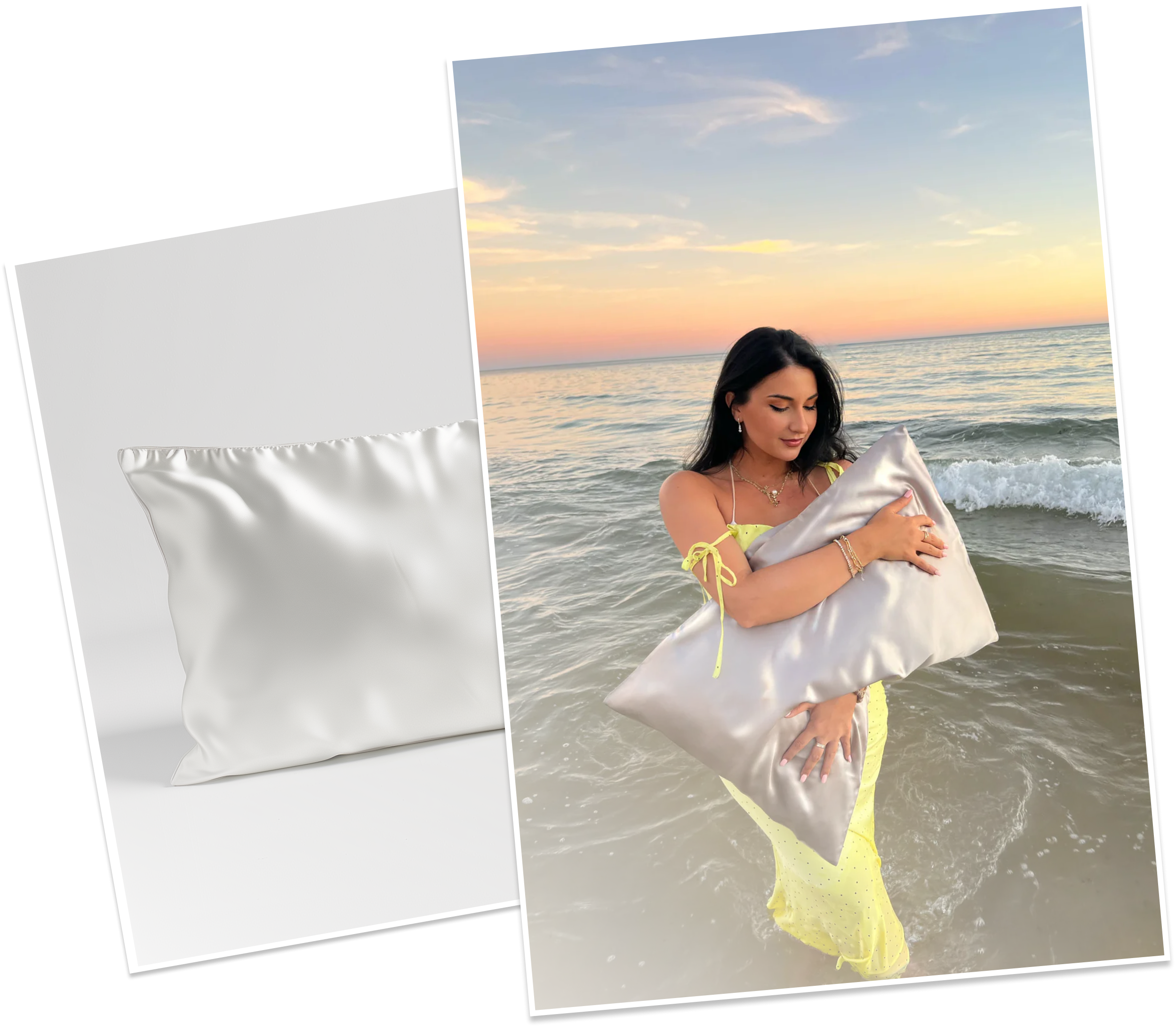
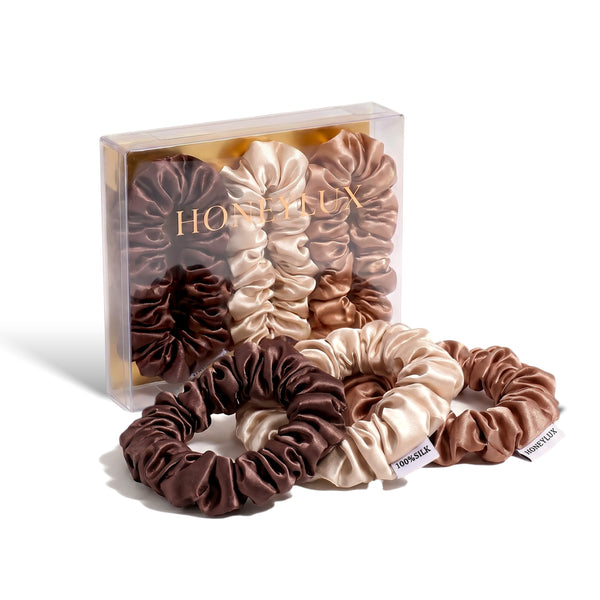
Using silk-made hair products help reduce extra breakage and friction as your hair changes after pregnancy. HoneyLux offers three pieces for a protective nighttime routine. All three use organic 6A, 22 momme mulberry silk.
Silk Bonnet

A silk bonnet protects your hair while you sleep. It keeps strands together and off rough fabric. That means less rubbing and fewer morning tangles. The HoneyLux organic silk hair bonnet suits fragile hair.
Silk Pillowcase

Your head moves all night. A rougher pillowcase rubs strands as you turn, while a silk pillowcase, with its smooth surface, reduces friction. Less friction means less breakage on fragile hair.
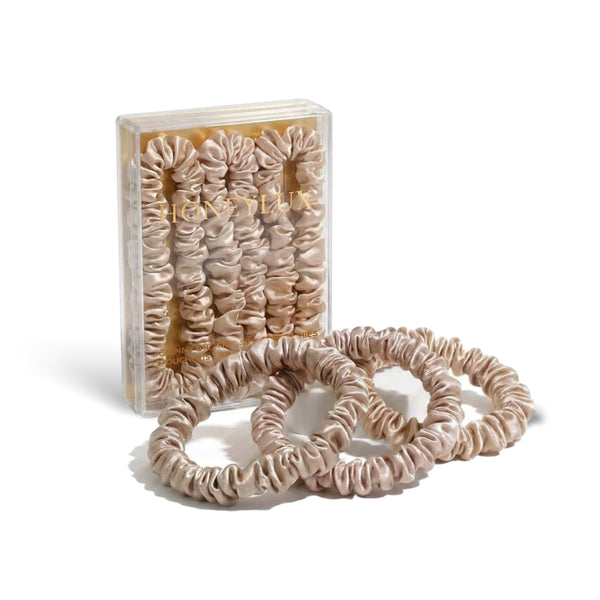
Silk Scrunchie

Regular elastics tug on hair and leave dents. A silk scrunchie ties hair back with less pulling and creasing. Choose a loose hold, especially near the hairline. The HoneyLux organic silk scrunchie is gentle on baby hairs. It helps keep delicate postpartum hair secure without adding unnecessary tension.
How to Stop Hair Fall After Delivery Home Remedies
Home remedies can soothe your scalp and support hair health. Patch test any new oil or mask on your inner arm first. Remember that they cannot stop postpartum hair loss. They can only support the strength of your hair follicles.
Warm Oil Massage
Warm a little coconut or argan oil between your palms. Massage it into your scalp for five minutes. Leave it on briefly, then shampoo it out. Almond and castor oil are known for their hair growth benefits.
Aloe Vera and Rosemary Mask
Blend aloe vera gel with a few drops of rosemary oil. Smooth it over your scalp, then rinse. People have used these herbs for hair for years. Research on them is still emerging, but you can use it as a gentle scalp-care step while your hair adjusts after pregnancy.
Hair-Friendly Foods
Snack on pumpkin seeds for zinc. Add chia, flax, and hemp seeds for omega-3 fats. Eat eggs and leafy greens for protein and iron. Bone broth and fish also provide protein and healthy fats.
Herbal Teas
Green tea has antioxidants. Stinging nettle tea is rich in minerals. Neither will stop shedding, but they can fit a healthy routine. Ask your doctor before drinking herbal teas while breastfeeding.
Postpartum Hair Loss After 1 Year
Most hair loss ends around 12 months. If yours continues after a year, look for another cause.
|
Possible cause |
What to ask about |
|
Thyroid problems |
A thyroid blood test |
|
Low iron or anemia |
Iron and blood count tests |
|
Low vitamin D or omega-3 fats |
A nutrient check and diet changes |
|
Ongoing stress |
Rest, support, and stress care |
|
Tight styles |
Looser styles to ease pull on the hairline |
Book a visit with your doctor or a dermatologist. They may order blood tests. Your doctor may also check for other hair loss conditions. Once they find the cause, hair loss is often treatable.
Fuller Days Are on the Way
Post pregnancy and hair loss feel heavy, but the phase passes. Eat well and handle your hair gently. See your doctor if shedding lasts past a year. Protect what you have with silk, and let baby hairs grow in.
Frequently Asked Questions
Why is my hair so dry postpartum?
Low nutrients, frequent washing, and heat styling can all dry your hair. Pregnancy and breastfeeding can drain nutrients. Wash less often to protect natural oils. Use a deep conditioner and a cool dryer setting. Ask your doctor if dryness lasts.
Will taking prenatals help with postpartum hair loss?
Prenatal vitamins will not stop postpartum shedding, because hormones cause it. They may prevent deficiencies and support regrowth. Postpartum hair loss vitamins like biotin, iron, and zinc can help if you are low. Ask your doctor which ones suit you.
What to eat to avoid postpartum hair loss?
Eat protein, iron, zinc, and omega-3 fats. Good picks include eggs, fish, beans, leafy greens, pumpkin seeds, and chia. Food cannot prevent shedding, but it supports regrowth. Drink plenty of water. Ask your doctor before adding any supplements while breastfeeding.